



- Afhalen na 1 uur in een winkel met voorraad
- In januari gratis thuislevering in België
- Ruim aanbod met 7 miljoen producten
- Afhalen na 1 uur in een winkel met voorraad
- In januari gratis thuislevering in België
- Ruim aanbod met 7 miljoen producten





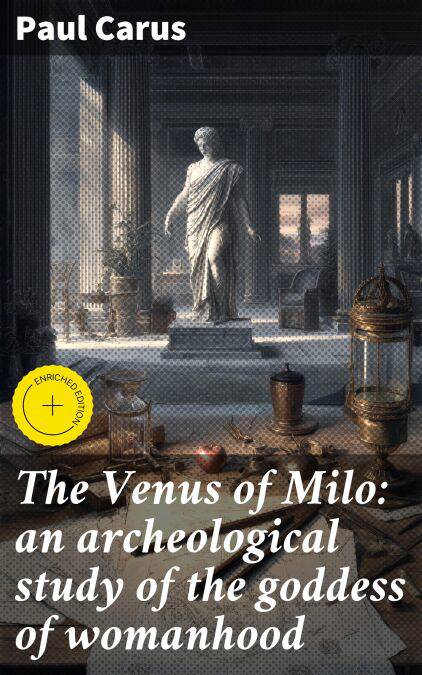
The Venus of Milo: an archeological study of the goddess of womanhood E-BOOK
Enriched edition. Unveiling the Mysteries of Classical Beauty in Ancient Sculpture
Paul Carus
E-book | Engels
€ 0,49
Omschrijving
In "The Venus of Milo: An Archaeological Study of the Goddess of Womanhood," Paul Carus delves into the intricate interplay of art and mythology surrounding one of antiquity's most celebrated sculptures. Carus employs a meticulous scholarly approach, examining the historical context, artistic techniques, and cultural significance of the Venus of Milo, the embodiment of feminine beauty. Richly interwoven with allegorical interpretations and philosophical inquiries, this work emerges from the late 19th century's burgeoning interest in archaeology and classical art, reflecting the era's desire to connect modernity with the chronological depth of human civilization. Paul Carus (1852-1919), a significant figure in the realm of philosophy and science, was a staunch advocate for the integration of Eastern and Western thought. His expertise in comparative religions and philosophy likely informed his fascination with the Venus of Milo, viewing it not merely as a work of art but as a lens into the spiritual and existential queries that define humanity. Carus's approach reveals a preoccupation with the goddess's representation of womanhood and its implications in various cultural narratives. I highly recommend "The Venus of Milo" to scholars, art enthusiasts, and anyone intrigued by the profound connections between art, gender, and cultural anthropology. Carus's compelling analysis provides not just an exploration of a key artistic artifact but also a reflective dialogue on the ideals of beauty and femininity that persist through time.
In this enriched edition, we have carefully created added value for your reading experience:
- A succinct Introduction situates the work's timeless appeal and themes.
- The Synopsis outlines the central plot, highlighting key developments without spoiling critical twists.
- A detailed Historical Context immerses you in the era's events and influences that shaped the writing.
- A thorough Analysis dissects symbols, motifs, and character arcs to unearth underlying meanings.
- Reflection questions prompt you to engage personally with the work's messages, connecting them to modern life.
- Hand‐picked Memorable Quotes shine a spotlight on moments of literary brilliance.
- Interactive footnotes clarify unusual references, historical allusions, and archaic phrases for an effortless, more informed read.
In this enriched edition, we have carefully created added value for your reading experience:
- A succinct Introduction situates the work's timeless appeal and themes.
- The Synopsis outlines the central plot, highlighting key developments without spoiling critical twists.
- A detailed Historical Context immerses you in the era's events and influences that shaped the writing.
- A thorough Analysis dissects symbols, motifs, and character arcs to unearth underlying meanings.
- Reflection questions prompt you to engage personally with the work's messages, connecting them to modern life.
- Hand‐picked Memorable Quotes shine a spotlight on moments of literary brilliance.
- Interactive footnotes clarify unusual references, historical allusions, and archaic phrases for an effortless, more informed read.
Specificaties
Betrokkenen
- Auteur(s):
- Uitgeverij:
Inhoud
- Aantal bladzijden:
- 1843
- Taal:
- Engels
Eigenschappen
- Productcode (EAN):
- 4064066247232
- Verschijningsdatum:
- 4/12/2019
- Uitvoering:
- E-book
- Beveiligd met:
- Digital watermarking
- Formaat:
- ePub


Alleen bij Standaard Boekhandel
Cadeau

AANGERADEN


Beoordelingen
We publiceren alleen reviews die voldoen aan de voorwaarden voor reviews. Bekijk onze voorwaarden voor reviews.