


- Afhalen na 1 uur in een winkel met voorraad
- Gratis thuislevering in België vanaf € 30
- Ruim aanbod met 7 miljoen producten
- Afhalen na 1 uur in een winkel met voorraad
- Gratis thuislevering in België vanaf € 30
- Ruim aanbod met 7 miljoen producten





€ 32,95
+ 65 punten
Uitvoering
Omschrijving
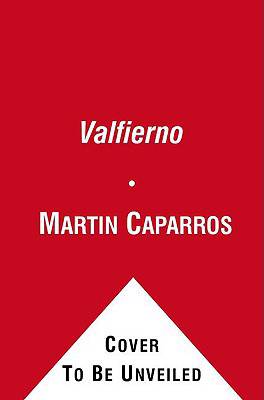
Now in paperback, The Vanishing of the Mona Lisa is a captivating fictionalization of the greatest art theft of the twentieth century. On August 22, 1911, the world was shocked by an unthinkable crime: Leonardo Da Vinci's masterpiece, the Mona Lisa, disappeared from the walls of the Louvre. While artists such as Picasso and Apollinaire were suspected of the theft, no arrests were made. Two years later an Italian, Vincenzo Peruggia, was detained when trying to sell the Mona Lisa to an antiques dealer in Florence--but the mystery of the theft itself was never satisfactorily resolved. Fifteen years later, someone calling himself "the Marquis de Valfierno" cannot tolerate dying without the world knowing of his audacious exploits. And so, he decides to confide his life story to an American journalist: from his impoverished émigré origins as the son of a servant woman in Buenos Aires to his rise as the most dangerous conman in the world. Through a series of remarkable but evolving masks of identity, beginning as a marginal criminal of Argentina's lower depths and ending up a wealthy aristocrat of the Belle Époque, first in Buenos Aires, then in Paris, he slowly transforms himself into "Valfierno." Only then is he prepared to undertake the unthinkable, his own "masterpiece" of the criminal arts.
Specificaties
Betrokkenen
- Auteur(s):
- Vertaler(s):
- Uitgeverij:
Inhoud
- Aantal bladzijden:
- 352
- Taal:
- Engels
Eigenschappen
- Productcode (EAN):
- 9780743297950
- Verschijningsdatum:
- 8/03/2011
- Uitvoering:
- Paperback
- Formaat:
- Trade paperback (VS)
- Afmetingen:
- 135 mm x 206 mm
- Gewicht:
- 276 g


Alleen bij Standaard Boekhandel
+ 65 punten op je klantenkaart van Standaard Boekhandel
Cadeau

AANGERADEN


Beoordelingen
We publiceren alleen reviews die voldoen aan de voorwaarden voor reviews. Bekijk onze voorwaarden voor reviews.