


- Afhalen na 1 uur in een winkel met voorraad
- Gratis thuislevering in België vanaf € 30
- Ruim aanbod met 7 miljoen producten
- Afhalen na 1 uur in een winkel met voorraad
- Gratis thuislevering in België vanaf € 30
- Ruim aanbod met 7 miljoen producten






€ 32,95
+ 65 punten
Omschrijving
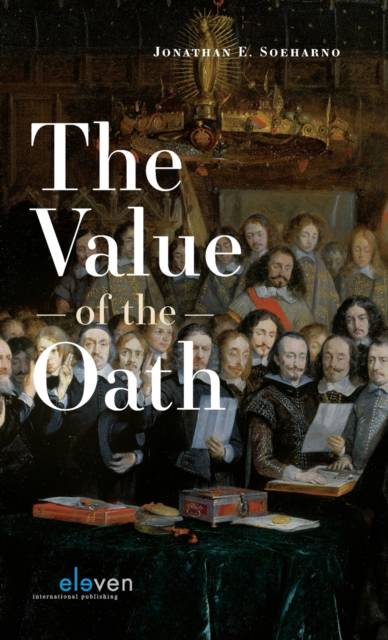
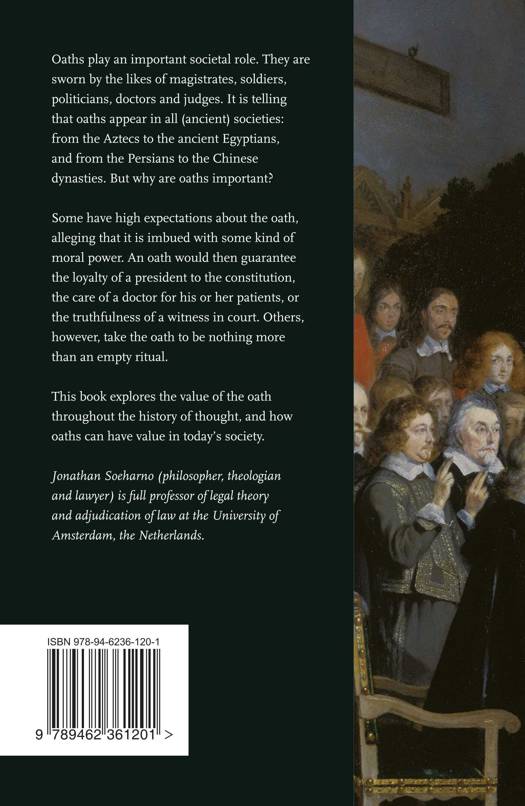
Oaths play an important societal role. They are sworn by the likes of magistrates, soldiers, politicians, doctors and judges. It is telling that oaths appear in all (ancient) societies: from the Aztecs to the ancient Egyptians, and from the Persians to the Chinese dynasties. But why are oaths important? Some have high expectations about the oath, alleging that it is imbued with some kind of moral power. An oath would then guarantee the loyalty of a president to the constitution, the care of a doctor for his or her patients, or the truthfulness of a witness in court. Others, however, take the oath to be nothing more than an empty ritual. This book explores the value of the oath throughout the history of thought, and how oaths can have value in today's society.
Specificaties
Betrokkenen
- Auteur(s):
- Uitgeverij:
Inhoud
- Aantal bladzijden:
- 74
- Taal:
- Engels
Eigenschappen
- Productcode (EAN):
- 9789462361201
- Verschijningsdatum:
- 5/03/2020
- Uitvoering:
- Hardcover
- Formaat:
- Genaaid
- Afmetingen:
- 140 mm x 216 mm
- Gewicht:
- 248 g


Alleen bij Standaard Boekhandel
+ 65 punten op je klantenkaart van Standaard Boekhandel
Cadeau

AANGERADEN


Beoordelingen
We publiceren alleen reviews die voldoen aan de voorwaarden voor reviews. Bekijk onze voorwaarden voor reviews.