



Bedankt voor het vertrouwen het afgelopen jaar! Om jou te bedanken bieden we GRATIS verzending (in België) aan op alles gedurende de hele maand januari.
- Afhalen na 1 uur in een winkel met voorraad
- In januari gratis thuislevering in België
- Ruim aanbod met 7 miljoen producten
Bedankt voor het vertrouwen het afgelopen jaar! Om jou te bedanken bieden we GRATIS verzending (in België) aan op alles gedurende de hele maand januari.
- Afhalen na 1 uur in een winkel met voorraad
- In januari gratis thuislevering in België
- Ruim aanbod met 7 miljoen producten





Omschrijving
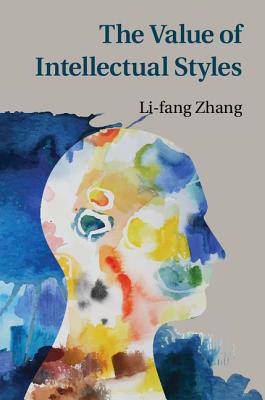
Intellectual styles are individuals' preferred ways of using their abilities. This book provides the first comprehensive and systematic review of existing research on the value and desirability of different intellectual styles. By critically analyzing findings from hundreds of international studies undertaken over eight decades, Li-fang Zhang demonstrates that the creativity-generating Type I styles are generally superior to the norm-conforming Type II styles in relation to a wide range of learning processes and developmental outcomes, work performance, physical and mental health, and many other domains of people's lives. She further demonstrates that people explicitly and implicitly express their preference for Type I styles over Type II styles. Professor Zhang elucidates the practical value of cultivating diverse intellectual styles, especially Type I styles, in both academic and nonacademic settings, and lays the groundwork for future research to advance the field of intellectual styles and to inform scholarly work in other academic disciplines.
Specificaties
Betrokkenen
- Auteur(s):
- Uitgeverij:
Inhoud
- Aantal bladzijden:
- 406
- Taal:
- Engels
Eigenschappen
- Productcode (EAN):
- 9781107082779
- Verschijningsdatum:
- 21/09/2017
- Uitvoering:
- Hardcover
- Formaat:
- Genaaid
- Afmetingen:
- 167 mm x 240 mm
- Gewicht:
- 684 g


Alleen bij Standaard Boekhandel
+ 429 punten op je klantenkaart van Standaard Boekhandel
SOLDEN


Beoordelingen
We publiceren alleen reviews die voldoen aan de voorwaarden voor reviews. Bekijk onze voorwaarden voor reviews.