


- Afhalen na 1 uur in een winkel met voorraad
- Gratis thuislevering in België vanaf € 30
- Ruim aanbod met 7 miljoen producten
- Afhalen na 1 uur in een winkel met voorraad
- Gratis thuislevering in België vanaf € 30
- Ruim aanbod met 7 miljoen producten





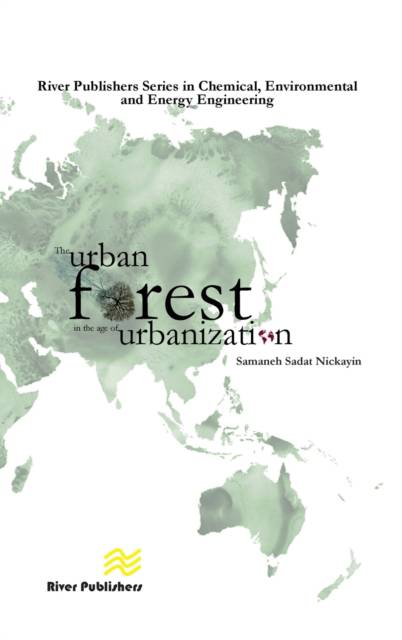
The Urban Forest in the Age of Urbanisation
Samaneh Sadat Nickain
€ 198,45
+ 396 punten
Omschrijving
The Urban Forest in the Age of Urbanization seeks to reflect on the connotation of urban forestry in line with related emergent holistic theories. Today, much of the planet is urbanised and planners debate "Planetary Urbanization", economists discuss "The Global City", ecologists describe the planet's biodiversity hotspots, and climate scientists warn of a "global" crisis. We might think therefore that focusing on forestation approaches at the Urban and peri-urban "edge", might be reductionist. However, if the city is everywhere, and everything is a city, if the urbanised world now is a chain of metropolitan areas connected by places and corridors of communication, then what is not urban? And above all, which forests are not urban forests?Starting from the dualism between city and forest and its evolution towards holism, the book seeks to create a framework of dialectical approaches. The case studies included analyse a wide range of urbanisation "processes" to review the practical approaches of urban forestry, in line with the global crisis of the era of globalisation, when climate change, population growth, implosions and explosions of urbanisation, lack of arable land and food are unavoidable.
Specificaties
Betrokkenen
- Auteur(s):
- Uitgeverij:
Inhoud
- Aantal bladzijden:
- 146
- Taal:
- Engels
- Reeks:
Eigenschappen
- Productcode (EAN):
- 9788770226516
- Verschijningsdatum:
- 31/12/2021
- Uitvoering:
- Hardcover
- Formaat:
- Genaaid
- Afmetingen:
- 156 mm x 234 mm
- Gewicht:
- 381 g


Alleen bij Standaard Boekhandel
+ 396 punten op je klantenkaart van Standaard Boekhandel
Cadeau

AANGERADEN


Beoordelingen
We publiceren alleen reviews die voldoen aan de voorwaarden voor reviews. Bekijk onze voorwaarden voor reviews.