


- Afhalen na 1 uur in een winkel met voorraad
- Gratis thuislevering in België vanaf € 30
- Ruim aanbod met 7 miljoen producten
- Afhalen na 1 uur in een winkel met voorraad
- Gratis thuislevering in België vanaf € 30
- Ruim aanbod met 7 miljoen producten





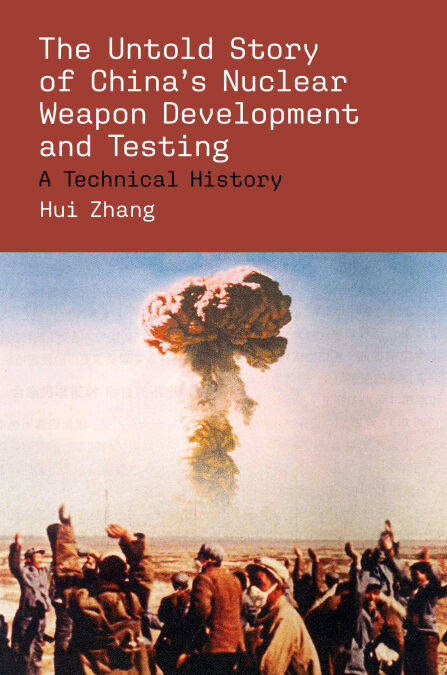
The Untold Story of China's Nuclear Weapon Development and Testing E-BOOK
A Technical History
Hui Zhang
€ 39,42
+ 39 punten
Uitvoering
Omschrijving
A comprehensive technical history of China’s nuclear warhead development and testing, as well as a new framework for understanding China’s efforts to modernize its nuclear arsenal.
The Untold Story of China’s Nuclear Weapon Development and Testing offers the most comprehensive account of China’s nuclear weapons development from 1955 to 1996. Hui Zhang examines the purpose and technical specifics of each nuclear test and provides new details about China’s pursuit of warhead miniaturization. Based on a number of new Chinese-language sources that have not previously been analyzed, this book reveals that China has the ability to produce smaller, lighter warheads than some have suggested, as well as more options for missiles that could carry a larger number of warheads.
The book also provides a new framework for understanding China’s efforts to modernize its nuclear arsenal and offers clues about the future of China’s nuclear program. As the international community watches China’s rapid nuclear expansion with concern—and, in particular, as the United States considers whether it will be confronting two peer nuclear-armed adversaries (Russia and China) in the future—this book is a significant contribution to the policy debate over a potential new three-way nuclear arms race.
The Untold Story of China’s Nuclear Weapon Development and Testing offers the most comprehensive account of China’s nuclear weapons development from 1955 to 1996. Hui Zhang examines the purpose and technical specifics of each nuclear test and provides new details about China’s pursuit of warhead miniaturization. Based on a number of new Chinese-language sources that have not previously been analyzed, this book reveals that China has the ability to produce smaller, lighter warheads than some have suggested, as well as more options for missiles that could carry a larger number of warheads.
The book also provides a new framework for understanding China’s efforts to modernize its nuclear arsenal and offers clues about the future of China’s nuclear program. As the international community watches China’s rapid nuclear expansion with concern—and, in particular, as the United States considers whether it will be confronting two peer nuclear-armed adversaries (Russia and China) in the future—this book is a significant contribution to the policy debate over a potential new three-way nuclear arms race.
Specificaties
Betrokkenen
- Auteur(s):
- Uitgeverij:
Inhoud
- Aantal bladzijden:
- 352
- Taal:
- Engels
- Reeks:
Eigenschappen
- Productcode (EAN):
- 9780262051842
- Verschijningsdatum:
- 24/11/2025
- Uitvoering:
- E-book
- Beveiligd met:
- Adobe DRM
- Formaat:
- ePub


Alleen bij Standaard Boekhandel
+ 39 punten op je klantenkaart van Standaard Boekhandel
Cadeau

AANGERADEN


Beoordelingen
We publiceren alleen reviews die voldoen aan de voorwaarden voor reviews. Bekijk onze voorwaarden voor reviews.