


- Afhalen na 1 uur in een winkel met voorraad
- Gratis thuislevering in België vanaf € 30
- Ruim aanbod met 7 miljoen producten
- Afhalen na 1 uur in een winkel met voorraad
- Gratis thuislevering in België vanaf € 30
- Ruim aanbod met 7 miljoen producten





€ 25,71
+ 25 punten
Uitvoering
Omschrijving
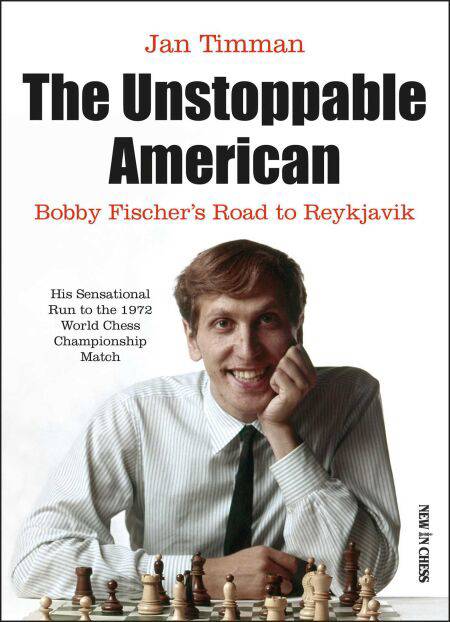
Initially things looked gloomy for Bobby Fischer. Because he had refused to participate in the 1969 US Championship, he had missed his chance to qualify for the 1970 Interzonal Tournament in Palma de Mallorca. Only when another American, Pal Benko, withdrew in his favour, and after the officials were willing to bend the rules, could Bobby enter the contest. And begin his phenomenal run that would end with the Match of the Century in Reykjavik against World Champion Boris Spassky.
Fischer started out by sweeping the field at the 23-round Palma Interzonal to qualify for the next stage of the cycle. In the Candidates Matches he first faced Mark Taimanov, in Vancouver. Fischer trounced the Soviet ace, effectively ending Taimanov’s career. Then, a few months later in Denver, he was up against Bent Larsen, the Great Dane. Fischer annihilated him, too. The surreal score in those two matches, twice 6-0, flabbergasted chess fans all over the world.
In the ensuing Candidates Final in Buenos Aires, Fischer also made short shrift of former World Champion Tigran Petrosian, beating the hyper-solid ‘Armenian Tiger’ 6½-2½. Altogether, Fischer had scored an incredible 36 points from 43 games against many of the world’s best players, including a streak of 19 consecutive wins. Bobby Fischer had become not just a national hero in the US, but a household name with pop-star status all over the world.
Jan Timman chronicles the full story of Fischer’s sensational run and takes a fresh look at the games. The annotations are in the author’s trademark lucid style, that happy mix of colourful background information and sharp, crystal-clear explanations.
Fischer started out by sweeping the field at the 23-round Palma Interzonal to qualify for the next stage of the cycle. In the Candidates Matches he first faced Mark Taimanov, in Vancouver. Fischer trounced the Soviet ace, effectively ending Taimanov’s career. Then, a few months later in Denver, he was up against Bent Larsen, the Great Dane. Fischer annihilated him, too. The surreal score in those two matches, twice 6-0, flabbergasted chess fans all over the world.
In the ensuing Candidates Final in Buenos Aires, Fischer also made short shrift of former World Champion Tigran Petrosian, beating the hyper-solid ‘Armenian Tiger’ 6½-2½. Altogether, Fischer had scored an incredible 36 points from 43 games against many of the world’s best players, including a streak of 19 consecutive wins. Bobby Fischer had become not just a national hero in the US, but a household name with pop-star status all over the world.
Jan Timman chronicles the full story of Fischer’s sensational run and takes a fresh look at the games. The annotations are in the author’s trademark lucid style, that happy mix of colourful background information and sharp, crystal-clear explanations.
Specificaties
Betrokkenen
- Auteur(s):
- Uitgeverij:
Inhoud
- Aantal bladzijden:
- 256
- Taal:
- Engels
Eigenschappen
- Productcode (EAN):
- 9789056919801
- Verschijningsdatum:
- 30/05/2021
- Uitvoering:
- E-book
- Beveiligd met:
- Adobe DRM
- Formaat:
- ePub


Alleen bij Standaard Boekhandel
+ 25 punten op je klantenkaart van Standaard Boekhandel
Cadeau

AANGERADEN


Beoordelingen
We publiceren alleen reviews die voldoen aan de voorwaarden voor reviews. Bekijk onze voorwaarden voor reviews.