


- Afhalen na 1 uur in een winkel met voorraad
- Gratis thuislevering in België vanaf € 30
- Ruim aanbod met 7 miljoen producten
- Afhalen na 1 uur in een winkel met voorraad
- Gratis thuislevering in België vanaf € 30
- Ruim aanbod met 7 miljoen producten





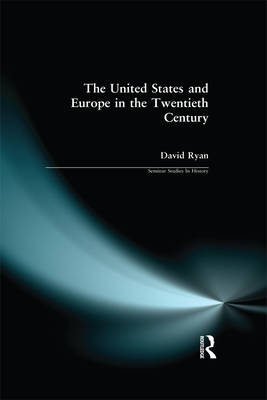
The United States and Europe in the Twentieth Century
David Ryan
€ 305,45
+ 610 punten
Omschrijving
Conflict and co-operation are key features of US-European relations throughout the twentieth century. The United States and Europe in the Twentieth Century looks at the relationship from the growth of the United States as a world power, to the so-called uni-polar moment at the end of the Cold War. The book examines:
* The traditions of United States foreign relations
* Relations up to and between the First World War and the Second World War
* The United States and Europe during the Cold War
* Washington and West European integration
* The growing influence of the United States in Europe
Throughout the book the author emphasises that as well as significant co-operation and shared interests, there have also been a number of tensions that have characterised the relationship. The book shows how US national values and interests have been at the forefront of the transatlantic relationship and have directed the shape and direction of Europe throughout the twentieth century.
Written in an engaging and accessible manner, the US and Europe in the Twentieth Century will be invaluable reading for students of American and European history and politics.
Specificaties
Betrokkenen
- Auteur(s):
- Uitgeverij:
Inhoud
- Aantal bladzijden:
- 228
- Taal:
- Engels
- Reeks:
Eigenschappen
- Productcode (EAN):
- 9781138153820
- Verschijningsdatum:
- 18/09/2018
- Uitvoering:
- Hardcover
- Formaat:
- Genaaid
- Afmetingen:
- 156 mm x 234 mm
- Gewicht:
- 498 g


Alleen bij Standaard Boekhandel
+ 610 punten op je klantenkaart van Standaard Boekhandel
Cadeau

AANGERADEN


Beoordelingen
We publiceren alleen reviews die voldoen aan de voorwaarden voor reviews. Bekijk onze voorwaarden voor reviews.