


- Afhalen na 1 uur in een winkel met voorraad
- Gratis thuislevering in België vanaf € 30
- Ruim aanbod met 7 miljoen producten
- Afhalen na 1 uur in een winkel met voorraad
- Gratis thuislevering in België vanaf € 30
- Ruim aanbod met 7 miljoen producten





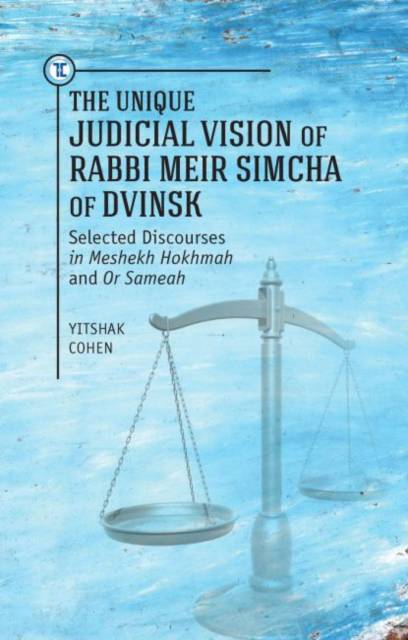
The Unique Judicial Vision of Rabbi Meir Simcha of Dvinsk
Selected Discourses in Meshekh Hokhmah and or Sameah
Yitshak Cohen
€ 175,95
+ 351 punten
Omschrijving
This book analyzes the exceptional normative impact of R. Meir Simcha Hacohen's Biblical commentary, Meshekh Hokhmah, and his halakhic commentary, Or Sameah. It examines the reliance of the poskim on R. Meir Simcha's innovations and hermeneutic methods as well as their view of his interpretations that broadened or narrowed the scope of Maimonides' rulings. The book explores the broad-based judicial principles underlying R. Meir Simcha's legal decisions and approach to Jewish law. It further examines how his legal creativity was impacted by metahalakhic principles that guided him in addressing changing historical and social realities. The book also considers R. Meir Simcha's unique attitudes toward gentiles. His approach attests to his innovativeness and his halakhic moderation, as he tried to rule as leniently as possible on matters concerning non-Jews. In this book, R. Meir Simcha is shown to be a truly influential rabbi whose contributions will long be a source of study and discussion.
Specificaties
Betrokkenen
- Auteur(s):
- Vertaler(s):
- Uitgeverij:
Inhoud
- Aantal bladzijden:
- 188
- Taal:
- Engels
- Reeks:
Eigenschappen
- Productcode (EAN):
- 9781618114891
- Verschijningsdatum:
- 18/08/2016
- Uitvoering:
- Hardcover
- Formaat:
- Genaaid
- Afmetingen:
- 156 mm x 234 mm
- Gewicht:
- 439 g


Alleen bij Standaard Boekhandel
+ 351 punten op je klantenkaart van Standaard Boekhandel
Cadeau

AANGERADEN


Beoordelingen
We publiceren alleen reviews die voldoen aan de voorwaarden voor reviews. Bekijk onze voorwaarden voor reviews.