


- Afhalen na 1 uur in een winkel met voorraad
- Gratis thuislevering in België vanaf € 30
- Ruim aanbod met 7 miljoen producten
- Afhalen na 1 uur in een winkel met voorraad
- Gratis thuislevering in België vanaf € 30
- Ruim aanbod met 7 miljoen producten





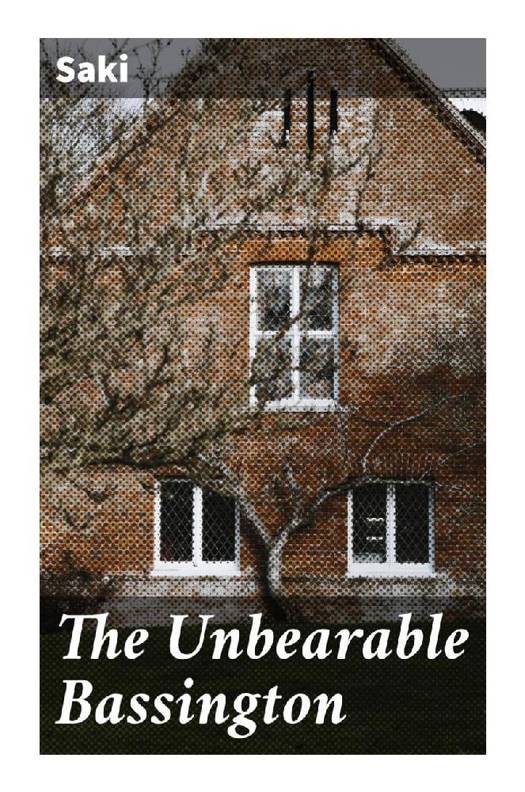
The Unbearable Bassington
An Edwardian London Comedy of Manners, Class Vanity, Fortune Hunting, and Dark Social Satire
Saki
Paperback | Engels
€ 8,95
+ 17 punten
Omschrijving
The Unbearable Bassington (1912) is Saki's most sustained social comedy, a sharply cut portrait of Edwardian London seen through the disastrous career of Comus Bassington, a charming, insolent, and financially useless young man. Around him moves a world of drawing rooms, strategic marriages, club gossip, and maternal calculation, rendered in prose of crystalline wit and lethal compression. Yet beneath the epigrammatic surface lies a darker design: the novel turns the conventions of the comedy of manners toward moral exposure and, finally, unexpected pathos. Saki-the pen name of Hector Hugh Munro-brought to the book the perspective of a satirist formed by imperial childhood, journalism, and close observation of political and aristocratic society. Born in Burma and later active as a foreign correspondent and parliamentary sketch-writer, he understood both the performance and emptiness of social privilege. His fiction often converts civility into predation; here that gift is enlarged into a full anatomy of class vanity and emotional negligence. This is an essential read for admirers of Wilde, Waugh, and Wharton, and for anyone interested in how wit can become an instrument of judgment. Elegant, cruel, and surprisingly moving, it rewards readers who enjoy social satire with tragic undertones.
Specificaties
Betrokkenen
- Auteur(s):
- Uitgeverij:
Inhoud
- Taal:
- Engels
Eigenschappen
- Productcode (EAN):
- 9788027296149
- Uitvoering:
- Paperback
- Afmetingen:
- 152 mm x 229 mm
- Gewicht:
- 131 g


Alleen bij Standaard Boekhandel
+ 17 punten op je klantenkaart van Standaard Boekhandel
Cadeau

AANGERADEN


Beoordelingen
We publiceren alleen reviews die voldoen aan de voorwaarden voor reviews. Bekijk onze voorwaarden voor reviews.