



Je cadeautjes zeker op tijd in huis hebben voor de feestdagen? Kom langs in onze winkels en vind het perfecte geschenk!
- Afhalen na 1 uur in een winkel met voorraad
- Gratis thuislevering in België vanaf € 30
- Ruim aanbod met 7 miljoen producten
Je cadeautjes zeker op tijd in huis hebben voor de feestdagen? Kom langs in onze winkels en vind het perfecte geschenk!
- Afhalen na 1 uur in een winkel met voorraad
- Gratis thuislevering in België vanaf € 30
- Ruim aanbod met 7 miljoen producten





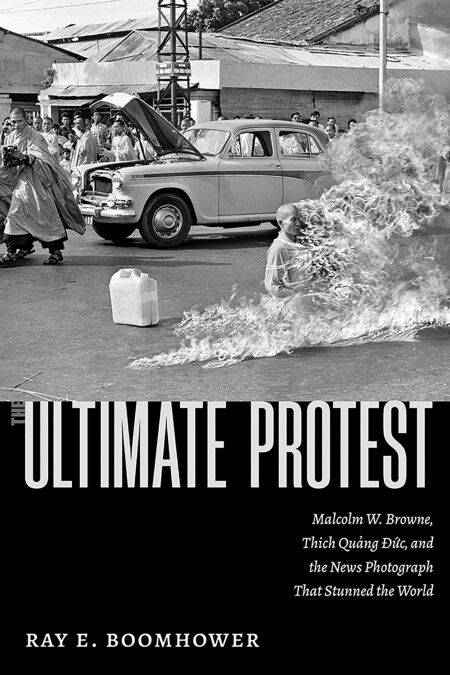
The Ultimate Protest E-BOOK
Malcolm W. Browne, Thich Quang Duc, and the News Photograph That Stunned the World
Ray E. Boomhower
E-book | Engels
€ 25,71
+ 25 punten
Uitvoering
Omschrijving
The Ultimate Protest: Malcolm W. Browne, Thich Quang Duc, and the News Photograph That Stunned the World examines how the most unlikely of war correspondents, Malcolm W. Browne, became the only Western reporter to capture Buddhist monk Thich Quang Duc's horrific self-immolation on June 11, 1963. Quang Duc made his ultimate sacrifice to protest the perceived anti-Buddhist policies of the Catholic-dominated administration of South Vietnam's president Ngo Dinh Diem.
Biographer Ray E. Boomhower's The Ultimate Protest explores the background of the Buddhist crisis in South Vietnam in the spring of 1963 that led to Quang Duc's self-sacrifice as well as the worldwide reaction to Browne's photograph, how it affected American policy toward Diem's government, and the role the image played in the violent coup on November 1, 1963, that deposed Diem and led to his assassination. The book also delves into the dynamics involved in covering the Vietnam War in the early days of the American presence and the pressures placed on the journalists to stop raising doubts about how the war was going. Browne and his colleague David Halberstam shared the 1964 Pulitzer Prize for international reporting for their work in Vietnam.
Biographer Ray E. Boomhower's The Ultimate Protest explores the background of the Buddhist crisis in South Vietnam in the spring of 1963 that led to Quang Duc's self-sacrifice as well as the worldwide reaction to Browne's photograph, how it affected American policy toward Diem's government, and the role the image played in the violent coup on November 1, 1963, that deposed Diem and led to his assassination. The book also delves into the dynamics involved in covering the Vietnam War in the early days of the American presence and the pressures placed on the journalists to stop raising doubts about how the war was going. Browne and his colleague David Halberstam shared the 1964 Pulitzer Prize for international reporting for their work in Vietnam.
Specificaties
Betrokkenen
- Auteur(s):
- Uitgeverij:
Inhoud
- Aantal bladzijden:
- 344
- Taal:
- Engels
Eigenschappen
- Productcode (EAN):
- 9780826365712
- Verschijningsdatum:
- 14/03/2024
- Uitvoering:
- E-book
- Beveiligd met:
- Adobe DRM
- Formaat:
- ePub


Alleen bij Standaard Boekhandel
+ 25 punten op je klantenkaart van Standaard Boekhandel
CADEAU


Beoordelingen
We publiceren alleen reviews die voldoen aan de voorwaarden voor reviews. Bekijk onze voorwaarden voor reviews.