


- Afhalen na 1 uur in een winkel met voorraad
- Gratis thuislevering in België vanaf € 30
- Ruim aanbod met 7 miljoen producten
- Afhalen na 1 uur in een winkel met voorraad
- Gratis thuislevering in België vanaf € 30
- Ruim aanbod met 7 miljoen producten





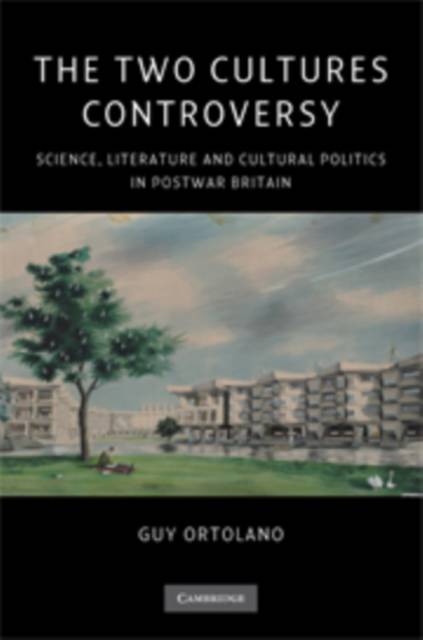
The Two Cultures Controversy
Science, Literature and Cultural Politics in Postwar Britain
Guy Ortolano
Hardcover | Engels
€ 194,95
+ 389 punten
Uitvoering
Omschrijving
Ever since the scientist-turned-novelist C. P. Snow clashed with literary critic F. R. Leavis in the early 1960s, it has been a commonplace to lament that intellectual life is divided between 'two cultures', the arts and sciences. Yet why did a topic that had long been discussed inspire such ferocious controversy at this particular moment? This book answers that question by recasting this dispute as an ideological conflict between competing visions of Britain's past, present, and future. It then connects the controversy to simultaneous arguments about the mission of the university, the methodology of social history, the reasons for 'national decline', and the fate of the former empire. By excavating the political stakes of the 'two cultures' controversy, this book explains the workings of cultural politics during the 1960s more generally, while also revising the meaning of a term that continues to be evoked to this day.
Specificaties
Betrokkenen
- Auteur(s):
- Uitgeverij:
Inhoud
- Aantal bladzijden:
- 308
- Taal:
- Engels
Eigenschappen
- Productcode (EAN):
- 9780521892049
- Verschijningsdatum:
- 8/01/2009
- Uitvoering:
- Hardcover
- Formaat:
- Genaaid
- Afmetingen:
- 155 mm x 229 mm
- Gewicht:
- 635 g


Alleen bij Standaard Boekhandel
+ 389 punten op je klantenkaart van Standaard Boekhandel
Cadeau

AANGERADEN


Beoordelingen
We publiceren alleen reviews die voldoen aan de voorwaarden voor reviews. Bekijk onze voorwaarden voor reviews.