


- Afhalen na 1 uur in een winkel met voorraad
- Gratis thuislevering in België vanaf € 30
- Ruim aanbod met 7 miljoen producten
- Afhalen na 1 uur in een winkel met voorraad
- Gratis thuislevering in België vanaf € 30
- Ruim aanbod met 7 miljoen producten





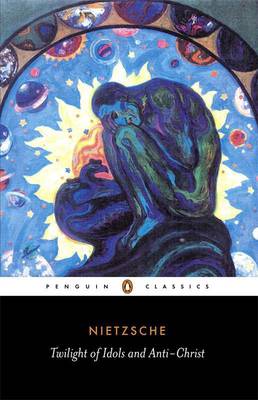
The Twilight of the Idols and the Anti-Christ
Or How to Philosophize with a Hammer
Friedrich Nietzsche
€ 15,45
+ 30 punten
Uitvoering
Eenvoudig bestellen
Veilig betalen


Gratis thuislevering vanaf € 30 (via bpost)
Gratis levering in je Standaard Boekhandel
Omschrijving
"One must be superior to mankind in force, in loftiness of soul--in contempt" In these two devastating works, Nietzsche offers a sustained and often vitriolic attack on the morality and the beliefs of his time, in particular those of Hegel, Kant and Schopenhaur. Twilight of the Idols is a "grand declaration of war" on reason, psychology and theology that combines highly charged personal attacks on his contemporaries with a lightning tour of his own philosophy. It also paves the way for The Anti-Christ, Nietzche's final assault on institutional Christianity, in which he identifies himself with the "Dionysian" artist and confronts Christ; the only opponent he feels worthy of him. In his introduction, Michael Tanner discussed the themes of Nietzche's argument and places the works in their historical and philosophical context.
Specificaties
Betrokkenen
- Auteur(s):
- Vertaler(s):
- Uitgeverij:
Inhoud
- Aantal bladzijden:
- 208
- Taal:
- Engels
- Reeks:
Eigenschappen
- Productcode (EAN):
- 9780140445145
- Verschijningsdatum:
- 15/02/1990
- Uitvoering:
- Paperback
- Formaat:
- Trade paperback (VS)
- Afmetingen:
- 131 mm x 197 mm
- Gewicht:
- 167 g
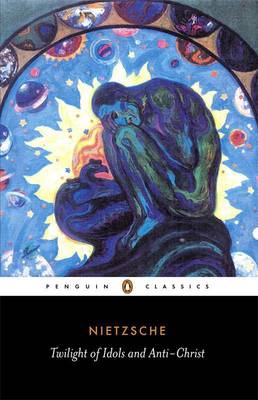


Alleen bij Standaard Boekhandel
+ 30 punten op je klantenkaart van Standaard Boekhandel
CADEAU

AANGERADEN


Beoordelingen
We publiceren alleen reviews die voldoen aan de voorwaarden voor reviews. Bekijk onze voorwaarden voor reviews.