


- Afhalen na 1 uur in een winkel met voorraad
- Gratis thuislevering in België vanaf € 30
- Ruim aanbod met 7 miljoen producten
- Afhalen na 1 uur in een winkel met voorraad
- Gratis thuislevering in België vanaf € 30
- Ruim aanbod met 7 miljoen producten





€ 11,45
+ 22 punten
Omschrijving
"A new title in the British Museum's longstanding Object in Focus series celebrates the acquisition of the Tudor Heart, a dazzling enamelled gold necklace pendant associated with Henry VIII and his first wife Katherine of Aragon." - Tudor Times
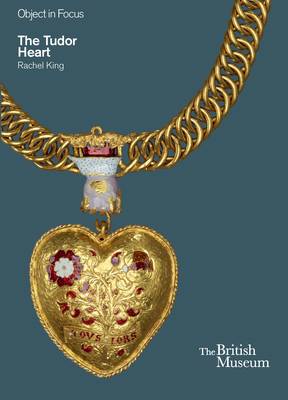
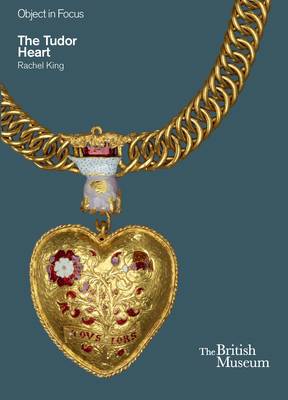
This book tells the remarkable story of a spectacular chance find of a pendant associated with Henry VIII and his first wife Katherine of Aragon, as well as Mary, their only surviving child. Known as the Tudor Heart, the object comprises a heart-shaped pendant with enamelled motifs, suspended from a chain by an enamelled clasp. Over 3 metres of gold wire have been used to make the chain, the oldest known example of its type to survive, and together the pendant, chain and clasp weigh over 0.3 kilograms and are largely 24 carat gold.
The pendant and chain have been dated to the last years of the 1510s based on the motifs used and archival evidence. This book argues that the object is an important witness to Henry's ambitions in the early years of his long reign, marking his first and longest marriage to a princess of higher birth, commemorating his daughter's betrothal to the infant son of the king of France, and showing the magnificence of Henry's court before the arrival of Hans Holbein the Younger changed its expression completely. Readers will learn about a masterfully crafted work using the most luxurious of materials, as well as its place as important historical evidence for pivotal years in English history.
This publication explores the sensational finding of the artefact, but its central aim is to establish the details of the object's making, its broader historical context and to tell its own extraordinary story.
This book tells the remarkable story of a spectacular chance find of a pendant associated with Henry VIII and his first wife Katherine of Aragon, as well as Mary, their only surviving child. Known as the Tudor Heart, the object comprises a heart-shaped pendant with enamelled motifs, suspended from a chain by an enamelled clasp. Over 3 metres of gold wire have been used to make the chain, the oldest known example of its type to survive, and together the pendant, chain and clasp weigh over 0.3 kilograms and are largely 24 carat gold.
The pendant and chain have been dated to the last years of the 1510s based on the motifs used and archival evidence. This book argues that the object is an important witness to Henry's ambitions in the early years of his long reign, marking his first and longest marriage to a princess of higher birth, commemorating his daughter's betrothal to the infant son of the king of France, and showing the magnificence of Henry's court before the arrival of Hans Holbein the Younger changed its expression completely. Readers will learn about a masterfully crafted work using the most luxurious of materials, as well as its place as important historical evidence for pivotal years in English history.
This publication explores the sensational finding of the artefact, but its central aim is to establish the details of the object's making, its broader historical context and to tell its own extraordinary story.
Specificaties
Betrokkenen
- Auteur(s):
- Uitgeverij:
Inhoud
- Aantal bladzijden:
- 64
- Taal:
- Engels
- Reeks:
Eigenschappen
- Productcode (EAN):
- 9780714123547
- Verschijningsdatum:
- 25/06/2026
- Uitvoering:
- Paperback
- Formaat:
- Trade paperback (VS)
- Afmetingen:
- 145 mm x 208 mm


Alleen bij Standaard Boekhandel
+ 22 punten op je klantenkaart van Standaard Boekhandel
Cadeau

AANGERADEN


Beoordelingen
We publiceren alleen reviews die voldoen aan de voorwaarden voor reviews. Bekijk onze voorwaarden voor reviews.