


- Afhalen na 1 uur in een winkel met voorraad
- Gratis thuislevering in België vanaf € 30
- Ruim aanbod met 7 miljoen producten
- Afhalen na 1 uur in een winkel met voorraad
- Gratis thuislevering in België vanaf € 30
- Ruim aanbod met 7 miljoen producten





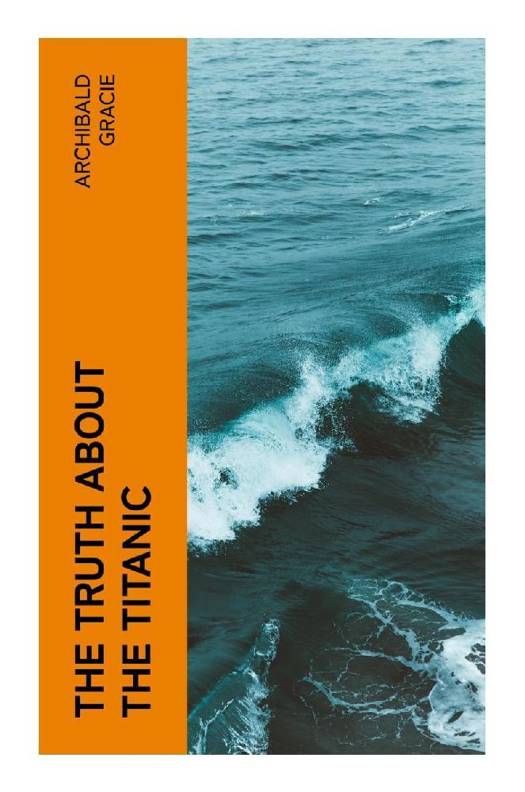
The Truth About the Titanic
A Survivor's Forensic Eyewitness Account of the 1912 Ocean Liner Disaster and Lifeboat Evacuation
Archibald Gracie
Paperback | Engels
€ 11,45
+ 22 punten
Omschrijving
The Truth About the Titanic is among the most meticulous first-hand accounts of the 1912 maritime disaster, combining survivor testimony, documentary evidence, and minute chronological reconstruction. Gracie's prose is sober, evidentiary, and frequently forensic, less melodramatic than many contemporary disaster narratives. Set within the literature of Edwardian catastrophe and technological hubris, the book seeks to correct rumor with disciplined observation, especially regarding lifeboat procedures, passenger conduct, and the ship's final hours. Archibald Gracie IV was an American writer, amateur historian, and wealthy passenger traveling in first class aboard the Titanic. Having survived the sinking after being swept into the freezing Atlantic and reaching an overturned collapsible boat, he became obsessively committed to recording what happened. His background as a historian of the American Civil War shaped his method: he interviewed survivors, compared testimonies, and pursued factual precision even as his health declined from the ordeal. Readers interested in Titanic history will find this book indispensable, not merely as memoir but as primary evidence. It is especially recommended for those who value careful reconstruction over legend, and who wish to encounter the disaster through the mind of a witness determined to transform trauma into historical record.
Specificaties
Betrokkenen
- Auteur(s):
- Uitgeverij:
Inhoud
- Taal:
- Engels
Eigenschappen
- Productcode (EAN):
- 9788027375844
- Uitvoering:
- Paperback
- Afmetingen:
- 152 mm x 229 mm
- Gewicht:
- 209 g


Alleen bij Standaard Boekhandel
+ 22 punten op je klantenkaart van Standaard Boekhandel
CADEAU

AANGERADEN


Beoordelingen
We publiceren alleen reviews die voldoen aan de voorwaarden voor reviews. Bekijk onze voorwaarden voor reviews.