


- Afhalen na 1 uur in een winkel met voorraad
- Gratis thuislevering in België vanaf € 30
- Ruim aanbod met 7 miljoen producten
- Afhalen na 1 uur in een winkel met voorraad
- Gratis thuislevering in België vanaf € 30
- Ruim aanbod met 7 miljoen producten





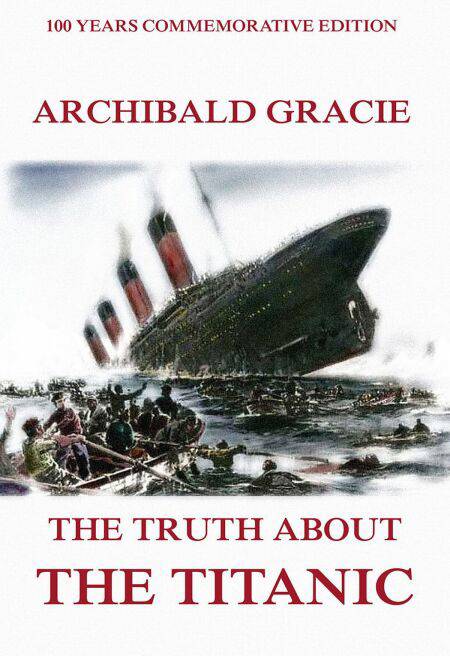
Omschrijving
The Truth About the Titanic', by Colonel Archibald Gracie, is a striking recital of the monumental shipwreck, by the sole survivor of all the men passengers, "stationed during the loading of six or more life-boats with women and children on the port side of the ship.'' The book is written as a tribute and testimony to the "heroism on the part of all concerned." Colonel Gracie refutes many of the press reports of the disaster, as for instance, the Captain and the First Officer shooting themselves, for which statement he says there is no direct testimony. The story of the author's marvelous escape beggars the imagination and gives proof of a remarkable telepathic communication with his wife. Horrible are the scenes described and they bring vividly before you the heroism and endurance that were borne until the arrival of the Carpathia. Some of the testimony taken before the Senate Committee and the British Courts of Inquiry is analyzed and the story of each lifeboat is given according to the testimony given and the different affidavits. The part devoted to J. Bruce Ismay's testimony will be of especial interest to readers. Colonel Gracie's death, eight months after the world's greatest marine disaster, was due to the exposure and strain received at that time, and the restraint is a marked feature in this vivid account of an unprecedented ocean disasterwhich occasioned the sympathy of the world.
Specificaties
Betrokkenen
- Auteur(s):
- Uitgeverij:
Inhoud
- Aantal bladzijden:
- 225
- Taal:
- Engels
Eigenschappen
- Productcode (EAN):
- 9783849621667
- Verschijningsdatum:
- 20/07/2012
- Uitvoering:
- E-book
- Beveiligd met:
- Digital watermarking
- Formaat:
- ePub


Alleen bij Standaard Boekhandel
+ 2 punten op je klantenkaart van Standaard Boekhandel
CADEAU

AANGERADEN


Beoordelingen
We publiceren alleen reviews die voldoen aan de voorwaarden voor reviews. Bekijk onze voorwaarden voor reviews.