


- Afhalen na 1 uur in een winkel met voorraad
- Gratis thuislevering in België vanaf € 30
- Ruim aanbod met 7 miljoen producten
- Afhalen na 1 uur in een winkel met voorraad
- Gratis thuislevering in België vanaf € 30
- Ruim aanbod met 7 miljoen producten





Omschrijving
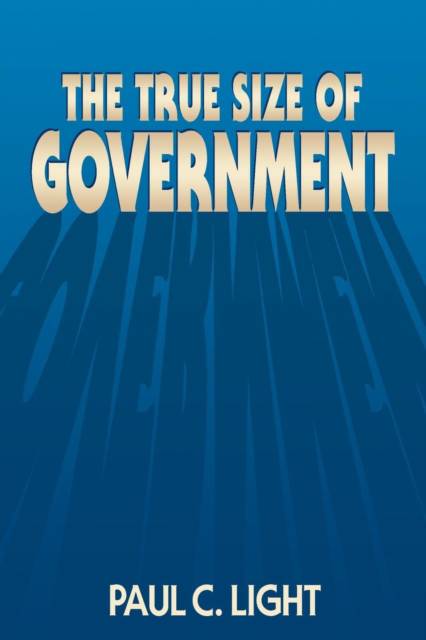
This book addresses a seemingly simple question: Just how many people really work for the federal government? Official counts show a relatively small total of 1.9 million full-time civil servants, as of 1996. But, according to Paul Light, the true head count is nearly nine times higher than the official numbers, with about 17 million people actually providing the government with goods and services. Most are part of what Light calls the ""shadow of government""--nonfederal employees working under federal contracts, grants, and mandates to state and local governments. In this book--the first that attempts to establish firm estimates of the shadow work force-- he explores the reasons why the official size of the federal government has remained so small while the shadow of government has grown so large. Light examines the political incentives that make the illusion of a small government so attractive, analyzes the tools used by officials to keep the official headcount small, and reveals how the appearance of smallness affects the management of government and the future of the public service. Finally, he points out ways the federal government can better manage the shadow work force it has built over the past half-century.
Specificaties
Betrokkenen
- Auteur(s):
- Uitgeverij:
Inhoud
- Aantal bladzijden:
- 254
- Taal:
- Engels
Eigenschappen
- Productcode (EAN):
- 9780815752653
- Verschijningsdatum:
- 1/05/1999
- Uitvoering:
- Paperback
- Formaat:
- Trade paperback (VS)
- Afmetingen:
- 154 mm x 230 mm
- Gewicht:
- 349 g


Alleen bij Standaard Boekhandel
+ 94 punten op je klantenkaart van Standaard Boekhandel
Cadeau

AANGERADEN


Beoordelingen
We publiceren alleen reviews die voldoen aan de voorwaarden voor reviews. Bekijk onze voorwaarden voor reviews.