


- Afhalen na 1 uur in een winkel met voorraad
- Gratis thuislevering in België vanaf € 30
- Ruim aanbod met 7 miljoen producten
- Afhalen na 1 uur in een winkel met voorraad
- Gratis thuislevering in België vanaf € 30
- Ruim aanbod met 7 miljoen producten





€ 41,95
+ 83 punten
Omschrijving
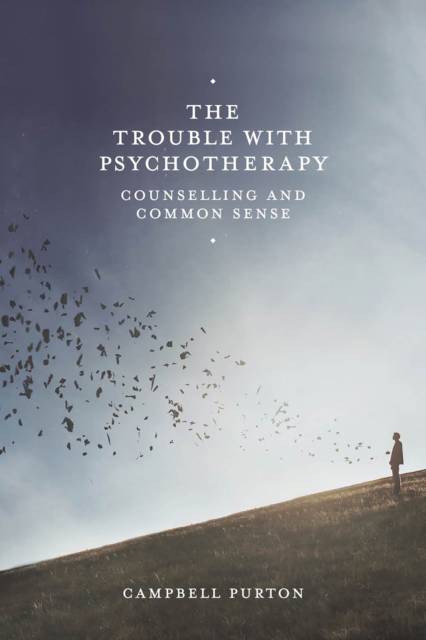
Current therapeutic practice is grounded in traditional theories of psychotherapy, such as the theories that underlie cognitive-behavioural, psychodynamic and person-centred practice. But none of these approaches has been proven to be more effective than any other, leaving the therapist with an ethical and professional dilemma: how do you advocate and practise one theory with your clients, when a completely different theoretical approach is being successfully practised down the road?
In this book Campbell Purton argues that psychotherapy and counselling theories fail to provide adequate justification for their practice. Part 1 highlights the weaknesses and dangers that underlie traditional counselling theories and their derivatives, including psychodynamic, cognitive behavioural, existential and neuroscience approaches. Having unpicked these theories, Part 2 goes on to develop an exciting new way of thinking about therapy that does not rely on theory - one that can be likened to a 'common sense' approach to therapeutic practice. This book poses important questions and offers unique insight for anyone studying or practising in the field of counselling and psychotherapy.Specificaties
Betrokkenen
- Auteur(s):
- Uitgeverij:
Inhoud
- Aantal bladzijden:
- 240
- Taal:
- Engels
Eigenschappen
- Productcode (EAN):
- 9780230241909
- Verschijningsdatum:
- 11/12/2014
- Uitvoering:
- Paperback
- Formaat:
- Trade paperback (VS)
- Afmetingen:
- 155 mm x 231 mm
- Gewicht:
- 362 g


Alleen bij Standaard Boekhandel
+ 83 punten op je klantenkaart van Standaard Boekhandel
Cadeau

AANGERADEN


Beoordelingen
We publiceren alleen reviews die voldoen aan de voorwaarden voor reviews. Bekijk onze voorwaarden voor reviews.