


- Afhalen na 1 uur in een winkel met voorraad
- Gratis thuislevering in België vanaf € 30
- Ruim aanbod met 7 miljoen producten
- Afhalen na 1 uur in een winkel met voorraad
- Gratis thuislevering in België vanaf € 30
- Ruim aanbod met 7 miljoen producten





€ 37,95
+ 75 punten
Omschrijving
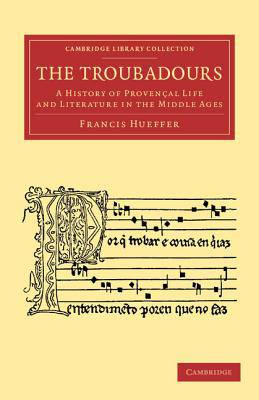
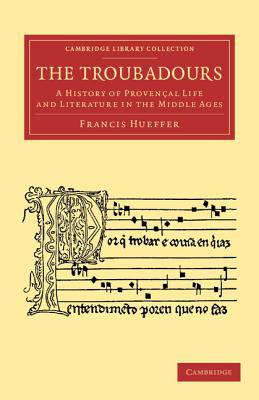
Born in Germany, where he studied music and philology, Francis Hueffer (1845-89) moved to London in 1869 to pursue a career as a critic and writer on music. He edited a series of biographies of notable musicians, served as music critic for The Times, contributed articles to Grove's Dictionary of Music and Musicians, and was an early advocate and interpreter to the British of Wagner. In 1872 he married Catherine, the younger daughter of the painter Ford Madox Brown. Their son was the writer Ford Maddox Ford. Provençal studies were an abiding interest of Hueffer's and he intended this work, first published in 1878, to be an approachable English-language study of medieval Provençal literary and musical culture. It won him membership of the Félibrige, the association of Provençal writers, and he gave lectures on the topic at the Royal Institution in 1880.
Specificaties
Betrokkenen
- Auteur(s):
- Uitgeverij:
Inhoud
- Aantal bladzijden:
- 390
- Taal:
- Engels
- Reeks:
Eigenschappen
- Productcode (EAN):
- 9781108060042
- Verschijningsdatum:
- 22/08/2013
- Uitvoering:
- Paperback
- Formaat:
- Trade paperback (VS)
- Afmetingen:
- 140 mm x 216 mm
- Gewicht:
- 494 g


Alleen bij Standaard Boekhandel
+ 75 punten op je klantenkaart van Standaard Boekhandel
Cadeau

AANGERADEN


Beoordelingen
We publiceren alleen reviews die voldoen aan de voorwaarden voor reviews. Bekijk onze voorwaarden voor reviews.