


- Afhalen na 1 uur in een winkel met voorraad
- Gratis thuislevering in België vanaf € 30
- Ruim aanbod met 7 miljoen producten
- Afhalen na 1 uur in een winkel met voorraad
- Gratis thuislevering in België vanaf € 30
- Ruim aanbod met 7 miljoen producten





€ 53,45
+ 106 punten
Omschrijving
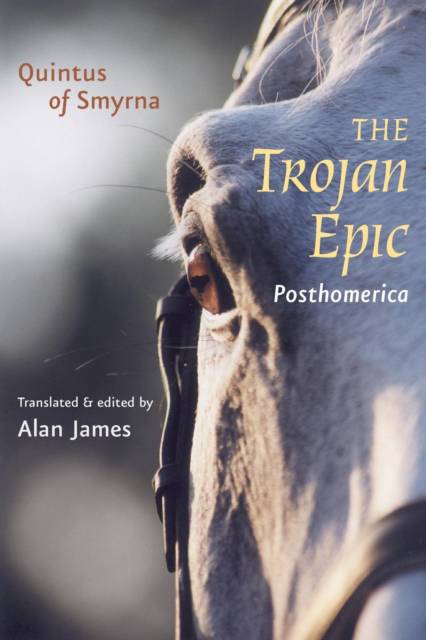
Composed in the third century A.D., the Trojan Epic is the earliest surviving literary evidence for many of the traditions of the Trojan War passed down from ancient Greece. Also known as the Posthomerica, or "sequel to Homer," the Trojan Epic chronicles the course of the war after the burial of Troy's greatest hero, Hektor. Quintus, believed to have been an educated Greek living in Roman Asia Minor, included some of the war's most legendary events: the death of Achilles, the Trojan Horse, and the destruction of Troy. But because Quintus deliberately imitated Homer's language and style, his work has been dismissed by many scholars as pastiche. A vivid and entertaining story in its own right, the Trojan Epic is also particularly significant for what it reveals about its sources-the much older, now lost Greek epics about the Trojan War known collectively as the Epic Cycle. Written in the Homeric era, these poems recounted events not included in the Iliad or the Odyssey. As Alan James makes clear in this vibrant and faithful new translation, Quintus's work deserves attention for its literary-historical importance and its narrative power. James's line-by-line verse translation in English reveals the original as an exciting and eloquent tale of gods and heroes, bravery and cunning, hubris and brutality. James includes a substantial introduction which places the work in its literary and historical context, a detailed and annotated book-by-book summary of the epic, a commentary dealing mainly with sources, and an explanatory index of proper names. Brilliantly revitalized by James, the Trojan Epic will appeal to a wide range of readers interested in Greek mythology and the legend of Troy.
Specificaties
Betrokkenen
- Auteur(s):
- Uitgeverij:
Inhoud
- Aantal bladzijden:
- 408
- Taal:
- Engels
- Reeks:
Eigenschappen
- Productcode (EAN):
- 9780801886355
- Verschijningsdatum:
- 1/03/2007
- Uitvoering:
- Paperback
- Formaat:
- Trade paperback (VS)
- Afmetingen:
- 147 mm x 234 mm
- Gewicht:
- 535 g


Alleen bij Standaard Boekhandel
+ 106 punten op je klantenkaart van Standaard Boekhandel
Cadeau

AANGERADEN


Beoordelingen
We publiceren alleen reviews die voldoen aan de voorwaarden voor reviews. Bekijk onze voorwaarden voor reviews.