


- Afhalen na 1 uur in een winkel met voorraad
- Gratis thuislevering in België vanaf € 30
- Ruim aanbod met 7 miljoen producten
- Afhalen na 1 uur in een winkel met voorraad
- Gratis thuislevering in België vanaf € 30
- Ruim aanbod met 7 miljoen producten




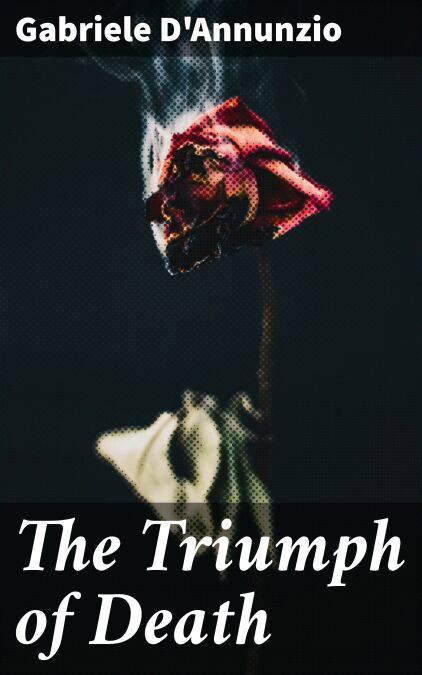
The Triumph of Death E-BOOK
A Journey Through Decadent Passion and Obsession in 19th-Century Italy
Gabriele D'Annunzio
E-book | Engels
€ 1,99
+ 1 punten
Uitvoering
Omschrijving
Gabriele D'Annunzio's "The Triumph of Death" is a masterful exploration of existential dread and the human condition, encapsulated in richly evocative prose. Set against the backdrop of decadent Italy, the novel follows the protagonist, Giorgio, as he grapples with mortality, love, and the haunting specter of death. D'Annunzio employs lush, symbolically charged language, encapsulating the themes of desire and despair, while integrating elements of philosophical inquiry drawn from contemporary ideas on nihilism and the sublime, thus placing the work firmly in the tradition of fin-de-si√®cle literature. D'Annunzio, an influential figure in early 20th-century literature and a prominent political activist, was heavily influenced by his own tumultuous experiences and the broader cultural shifts in Europe. His encounters with beauty and his fascination with both art and politics undoubtedly informed his depiction of life's ephemeral nature. The thematic preoccupations of his work mirror his personal grappling with the interplay of life, art, and the inevitability of death, rendering this novel both deeply personal and universal in its implications. Readers seeking a profound literary experience will find "The Triumph of Death" an essential addition to their exploration of existential themes. D'Annunzio'Äôs ability to weave philosophical depth into captivating storytelling invites reflection on the nature of existence, making it a compelling read for both students of literature and anyone intrigued by the transformative power of the written word.
Specificaties
Betrokkenen
- Auteur(s):
- Vertaler(s):
- Uitgeverij:
Inhoud
- Aantal bladzijden:
- 287
- Taal:
- Engels
Eigenschappen
- Productcode (EAN):
- 4064066093860
- Verschijningsdatum:
- 19/05/2021
- Uitvoering:
- E-book
- Beveiligd met:
- Digital watermarking
- Formaat:
- ePub


Alleen bij Standaard Boekhandel
+ 1 punten op je klantenkaart van Standaard Boekhandel
Cadeau

AANGERADEN


Beoordelingen
We publiceren alleen reviews die voldoen aan de voorwaarden voor reviews. Bekijk onze voorwaarden voor reviews.