


- Afhalen na 1 uur in een winkel met voorraad
- Gratis thuislevering in België vanaf € 30
- Ruim aanbod met 7 miljoen producten
- Afhalen na 1 uur in een winkel met voorraad
- Gratis thuislevering in België vanaf € 30
- Ruim aanbod met 7 miljoen producten





€ 18,95
+ 37 punten
Omschrijving
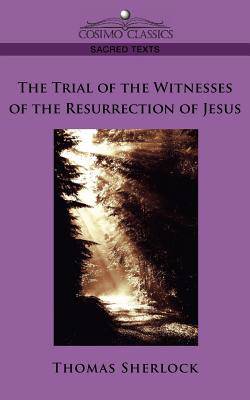
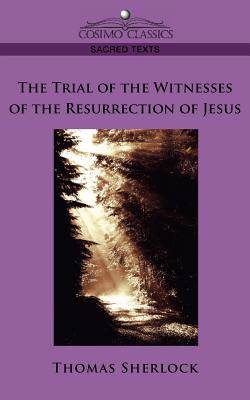
The Gentleman's observation, that the general belief of the resurrection creates a presumption that it stands upon good evidence, and therefore people look no farther, but follow their fathers, as their fathers did their grandfathers did before them, is in great measure true, but it is a truth nothing to his purpose. -from The Trial of the Witnesses of the Resurrection of Jesus One of the most famous-and least read-works of Christian apologetics, this is Anglican bishop Thomas Sherlock's classic 1729 rebuttal to Deist Thomas Woolston's skeptical Discourses of the Miracles of Jesus Christ (1728-1729). Within the framework of a courtroom proceeding in which the Apostles are on trial for faking the Resurrection, Sherlock pits Woolston's own arguments against his own powerful defense of the "accused." Applying the logic and reason of the law to the Bible, this is a provocative and original interpretation of the story of Jesus' life and death. British theologian THOMAS SHERLOCK (1678-1761) was educated at Eton and Cambridge and served as a Church of England bishop for 33 years.
Specificaties
Betrokkenen
- Auteur(s):
- Uitgeverij:
Inhoud
- Aantal bladzijden:
- 88
- Taal:
- Engels
Eigenschappen
- Productcode (EAN):
- 9781596054554
- Verschijningsdatum:
- 1/12/2005
- Uitvoering:
- Paperback
- Formaat:
- Trade paperback (VS)
- Afmetingen:
- 127 mm x 203 mm
- Gewicht:
- 104 g


Alleen bij Standaard Boekhandel
+ 37 punten op je klantenkaart van Standaard Boekhandel
Cadeau

AANGERADEN


Beoordelingen
We publiceren alleen reviews die voldoen aan de voorwaarden voor reviews. Bekijk onze voorwaarden voor reviews.