


- Afhalen na 1 uur in een winkel met voorraad
- Gratis thuislevering in België vanaf € 30
- Ruim aanbod met 7 miljoen producten
- Afhalen na 1 uur in een winkel met voorraad
- Gratis thuislevering in België vanaf € 30
- Ruim aanbod met 7 miljoen producten





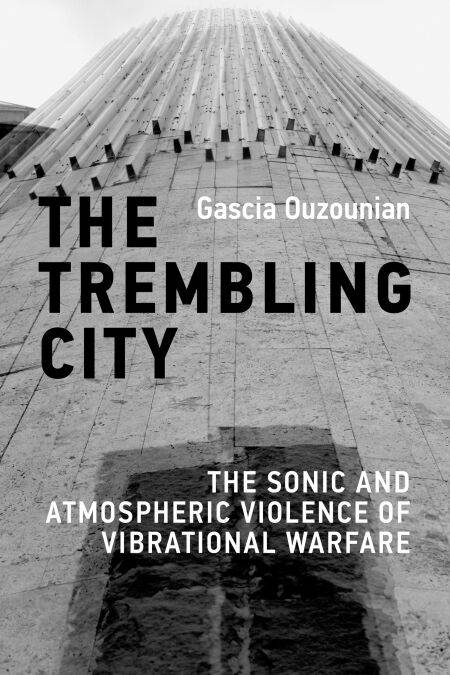
The Trembling City E-BOOK
The Sonic and Atmospheric Violence of Vibrational Warfare
Gascia Ouzounian
E-book | Engels
€ 39,42
+ 39 punten
Omschrijving
How conflict is waged through sound, vibration, and atmospheric occupation, from the drone-filled skies over Gaza to turbulent airs in Beirut.
The Trembling City is a gripping account of cities that shudder under the vibrational force of occupation, siege, and war. From the persistent drone noise of Gaza to turbulent skies above Beirut, Gascia Ouzounian uncovers the insidious role of sound and vibration as instruments of violence that shape urban life. She introduces two interlinked concepts: vibrational warfare—a covert violence enacted through waves; and atmospheric occupation—the seizure of a city’s airs to unsettle, dominate, and control. Together, these frameworks reveal how cities themselves become instruments of war: amplifying sonic shock, conducting energy through bodies, air, and buildings, and saturating everyday life with violence.
Moving beyond accounts of sonic violence that focus on overt forms––sound cannons, sonic booms––Ouzounian traces more elusive but equally devastating forms: turbulent airs, residual sounds, and sonic erasures. Drawing on earwitness testimony, clandestine forensic analysis, and illicit archives, The Trembling City proposes new ways of hearing what states work to conceal: counterlistening as resistance, and a negative acoustics attuned to what cannot––or must not––be heard. Urgent and unflinching, the book reimagines cities as vibrational territories and listening as both a site of injury and a practice of endurance, survival, and critique.
The Trembling City is a gripping account of cities that shudder under the vibrational force of occupation, siege, and war. From the persistent drone noise of Gaza to turbulent skies above Beirut, Gascia Ouzounian uncovers the insidious role of sound and vibration as instruments of violence that shape urban life. She introduces two interlinked concepts: vibrational warfare—a covert violence enacted through waves; and atmospheric occupation—the seizure of a city’s airs to unsettle, dominate, and control. Together, these frameworks reveal how cities themselves become instruments of war: amplifying sonic shock, conducting energy through bodies, air, and buildings, and saturating everyday life with violence.
Moving beyond accounts of sonic violence that focus on overt forms––sound cannons, sonic booms––Ouzounian traces more elusive but equally devastating forms: turbulent airs, residual sounds, and sonic erasures. Drawing on earwitness testimony, clandestine forensic analysis, and illicit archives, The Trembling City proposes new ways of hearing what states work to conceal: counterlistening as resistance, and a negative acoustics attuned to what cannot––or must not––be heard. Urgent and unflinching, the book reimagines cities as vibrational territories and listening as both a site of injury and a practice of endurance, survival, and critique.
Specificaties
Betrokkenen
- Auteur(s):
- Uitgeverij:
Inhoud
- Aantal bladzijden:
- 192
- Taal:
- Engels
Eigenschappen
- Productcode (EAN):
- 9780262056502
- Verschijningsdatum:
- 26/10/2026
- Uitvoering:
- E-book
- Beveiligd met:
- Adobe DRM
- Formaat:
- ePub


Alleen bij Standaard Boekhandel
+ 39 punten op je klantenkaart van Standaard Boekhandel
AANGERADEN


Beoordelingen
We publiceren alleen reviews die voldoen aan de voorwaarden voor reviews. Bekijk onze voorwaarden voor reviews.