


- Afhalen na 1 uur in een winkel met voorraad
- Gratis thuislevering in België vanaf € 30
- Ruim aanbod met 7 miljoen producten
- Afhalen na 1 uur in een winkel met voorraad
- Gratis thuislevering in België vanaf € 30
- Ruim aanbod met 7 miljoen producten





€ 159,00
+ 318 punten
Omschrijving
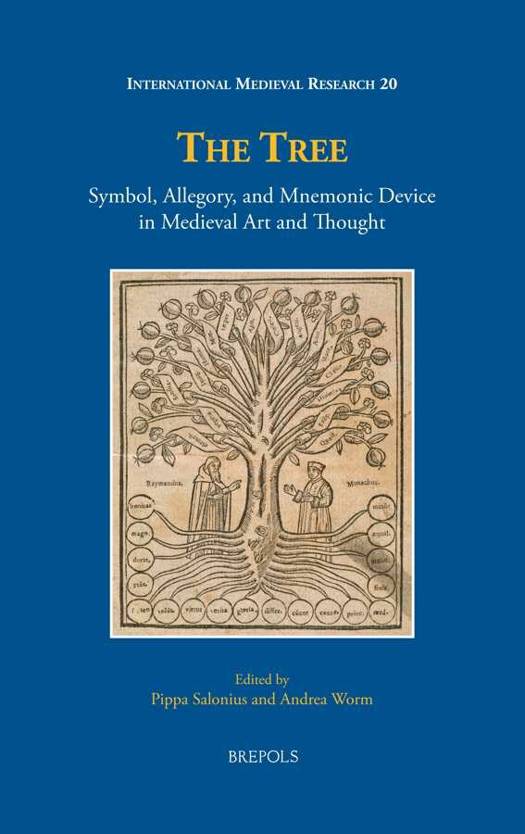
With its vital character - growing, flowering, extending its roots into the ground, and its branches and leaves to the sky - the tree is a polyvalent metaphor, a suggestive symbol, and an allegorical subject. During the Middle Ages, a number of iconographic schemata were based on the image and structure of the tree, including the Tree of Jesse and the Tree of Virtues and Vices. From the late eleventh century onwards such formulae were increasingly used as devices for organizing knowledge and representing theoretical concepts. Despite the abstraction inherent in these schemata, however, the semantic qualities of trees persist in their usage. The analysis of different manifestations of trees in the Middle Ages is highly instructive for visual, intellectual, and cultural history. Essays in this volume concentrate on the formative period for arboreal imagery in the medieval West, that is, the eleventh to fifteenth centuries. Using a range of methodological strategies and examining material from different media, ranging from illuminated manuscripts to wall painting, stained glass windows, and monumental sculpture, the articles in this volume show how different arboreal structures were conceived, employed, and appropriated by their specific contexts, how they functioned in their original framework, and how they were perceived by their audience.
Specificaties
Betrokkenen
- Auteur(s):
- Uitgeverij:
Inhoud
- Aantal bladzijden:
- 276
- Taal:
- Engels
- Reeks:
- Reeksnummer:
- nr. 20
Eigenschappen
- Productcode (EAN):
- 9782503548395
- Verschijningsdatum:
- 5/06/2014
- Uitvoering:
- Paperback
- Formaat:
- Trade paperback (VS)
- Afmetingen:
- 216 mm x 279 mm
- Gewicht:
- 975 g



Alleen bij Standaard Boekhandel
+ 318 punten op je klantenkaart van Standaard Boekhandel
Cadeau

AANGERADEN


Beoordelingen
We publiceren alleen reviews die voldoen aan de voorwaarden voor reviews. Bekijk onze voorwaarden voor reviews.