Standaard Boekhandel gebruikt cookies en gelijkaardige technologieën om de website goed te laten werken en je een betere surfervaring te bezorgen.
Hieronder kan je kiezen welke cookies je wilt inschakelen:
Technische en functionele cookies
Deze cookies zijn essentieel om de website goed te laten functioneren, en laten je toe om bijvoorbeeld in te loggen. Je kan deze cookies niet uitschakelen.
Analytische cookies
Deze cookies verzamelen anonieme informatie over het gebruik van onze website. Op die manier kunnen we de website beter afstemmen op de behoeften van de gebruikers.
Marketingcookies
Deze cookies delen je gedrag op onze website met externe partijen, zodat je op externe platformen relevantere advertenties van Standaard Boekhandel te zien krijgt.
Bedankt voor het vertrouwen het afgelopen jaar! Om jou te bedanken bieden we GRATIS verzending (in België) aan op alles gedurende de hele maand januari.
Afhalen na 1 uur in een winkel met voorraad
In januari gratis thuislevering in België
Ruim aanbod met 7 miljoen producten
Bedankt voor het vertrouwen het afgelopen jaar! Om jou te bedanken bieden we GRATIS verzending (in België) aan op alles gedurende de hele maand januari.
Je kan maximaal 250 producten tegelijk aan je winkelmandje toevoegen. Verwijdere enkele producten uit je winkelmandje, of splits je bestelling op in meerdere bestellingen.
In januari gratis thuislevering in België (via bpost)
Gratis levering in je Standaard Boekhandel
Omschrijving
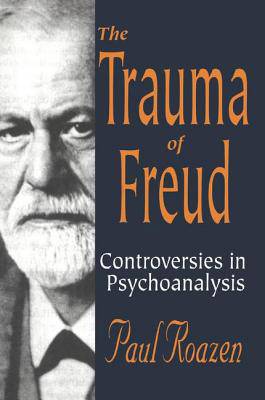
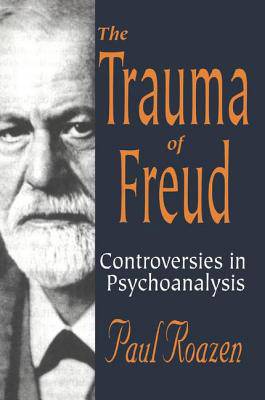
Over one hundred years have passed since Sigmund Freud first created psychoanalysis. The new profession flourished within the increasing secularization of Western culture, and it is almost impossible to overestimate its influence. Despite its traditional aloofness from ethical questions, psychoanalysis attracted an extraordinary degree of sectarian bitterness. Original thinkers were condemned as dissidents and renegades and the merits of individual cases have been frequently mixed up with questions concerning power and ambition, as well as the future of the "movement." In The Trauma of Freud, Paul Roazen shows how, despite this contentiousness, Freud's legacy has remained central to human selfawareness.Roazen provides a much-needed sequence and perspective on the memorable issues that have come up in connection with the history of Freud's school. Topics covered include the problem of seduction, Jung's Zurich school, Ferenczi's Hungarian following, and the influence of Melanie Klein and Anna Freud in England. Also highlighted are Lacanianism in France, Erik Erikson's ego psychology, and Sandor Rado's innovations. In considering these historical cases and related public scandals, Roazen continually addresses important general issues concerning ethics and privacy, the power of orthodoxy, creativity, and the historiography of psychoanalysis. Throughout, he argues that rival interpretations are a sign of the intellectual maturity and sophistication of the discipline. Vigorous debate is healthy and essential in avoiding ill-considered and dogmatic self-assurance.He observes that potential zealotry lies just below the surface of even the most placid psychoanalytic waters even today. Examining the past, so much a part of the job of scholarship, may involve challenging those who might have preferred to let sleeping dogs lie. Roazen emphasizes that Freud's approach rested on the Socratic conviction that the unexamined life is not worth living and that this constitutes the spiritual basis of its influence beyond immediate clinical concerns. The Trauma of Freud is a major contribution to the historical literature on psychoanalysis.