


- Afhalen na 1 uur in een winkel met voorraad
- Gratis thuislevering in België vanaf € 30
- Ruim aanbod met 7 miljoen producten
- Afhalen na 1 uur in een winkel met voorraad
- Gratis thuislevering in België vanaf € 30
- Ruim aanbod met 7 miljoen producten





Omschrijving
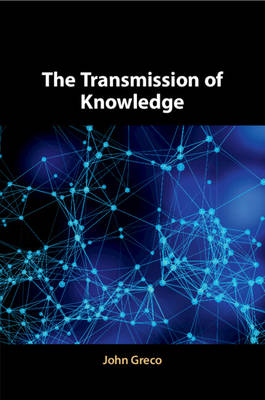
How do we transmit or distribute knowledge, as distinct from generating or producing it? In this book John Greco examines the interpersonal relations and social structures which enable and inhibit the sharing of knowledge within and across epistemic communities. Drawing on resources from moral theory, the philosophy of language, action theory and the cognitive sciences, he considers the role of interpersonal trust in transmitting knowledge, and argues that sharing knowledge involves a kind of shared agency similar to giving a gift or passing a ball. He also explains why transmitting knowledge is easy in some social contexts, such as those involving friendship or caregiving, but impossible in contexts characterized by suspicion and competition rather than by trust and cooperation. His book explores phenomena that have been undertheorized by traditional epistemology, and throws new light on existing problems in social epistemology and the epistemology of testimony.
Specificaties
Betrokkenen
- Auteur(s):
- Uitgeverij:
Inhoud
- Aantal bladzijden:
- 228
- Taal:
- Engels
Eigenschappen
- Productcode (EAN):
- 9781108460057
- Verschijningsdatum:
- 11/08/2022
- Uitvoering:
- Paperback
- Formaat:
- Trade paperback (VS)
- Afmetingen:
- 152 mm x 229 mm
- Gewicht:
- 308 g


Alleen bij Standaard Boekhandel
+ 100 punten op je klantenkaart van Standaard Boekhandel

Beoordelingen
We publiceren alleen reviews die voldoen aan de voorwaarden voor reviews. Bekijk onze voorwaarden voor reviews.