


- Afhalen na 1 uur in een winkel met voorraad
- Gratis thuislevering in België vanaf € 30
- Ruim aanbod met 7 miljoen producten
- Afhalen na 1 uur in een winkel met voorraad
- Gratis thuislevering in België vanaf € 30
- Ruim aanbod met 7 miljoen producten





€ 151,45
+ 302 punten
Omschrijving
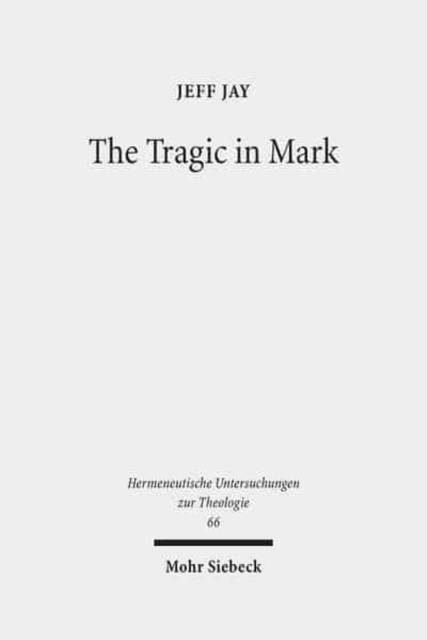
In narratives of tragic drama's history the Judeo-Christian tradition is commonly portrayed as hostile to tragic drama both as an art form and sensibility or vision of life. With an emphasis on divine grace and justice, theorists argue, Jewish and Christian writers completely eschew anything approaching genuine tragedy. However, Jeff Jay demonstrates that in the earliest years of Christian literary activity Mark produced a narrative that is "tragic," for it strongly elicits several of tragedy's recurring motifs and moods, as well as a highly theatrical atmosphere and a poignant sense of inexorability that drives Jesus onwards to the fateful passion. Theorists who frame the history of tragedy in overly restrictive, even at times reductive, ways thus minimize tragedy's actual impact throughout the centuries and overlook its influence over several early Jewish writers and the author of the Gospel of Mark, all of whom wrote when tragedy was purportedly "dead."
Specificaties
Betrokkenen
- Auteur(s):
- Uitgeverij:
Inhoud
- Aantal bladzijden:
- 331
- Taal:
- Engels
- Reeks:
- Reeksnummer:
- nr. 66
Eigenschappen
- Productcode (EAN):
- 9783161532443
- Verschijningsdatum:
- 1/09/2014
- Uitvoering:
- Hardcover
- Formaat:
- Genaaid
- Afmetingen:
- 157 mm x 231 mm
- Gewicht:
- 635 g


Alleen bij Standaard Boekhandel
+ 302 punten op je klantenkaart van Standaard Boekhandel
Cadeau

AANGERADEN


Beoordelingen
We publiceren alleen reviews die voldoen aan de voorwaarden voor reviews. Bekijk onze voorwaarden voor reviews.