


- Afhalen na 1 uur in een winkel met voorraad
- Gratis thuislevering in België vanaf € 30
- Ruim aanbod met 7 miljoen producten
- Afhalen na 1 uur in een winkel met voorraad
- Gratis thuislevering in België vanaf € 30
- Ruim aanbod met 7 miljoen producten





€ 20,12
+ 20 punten
Uitvoering
Omschrijving
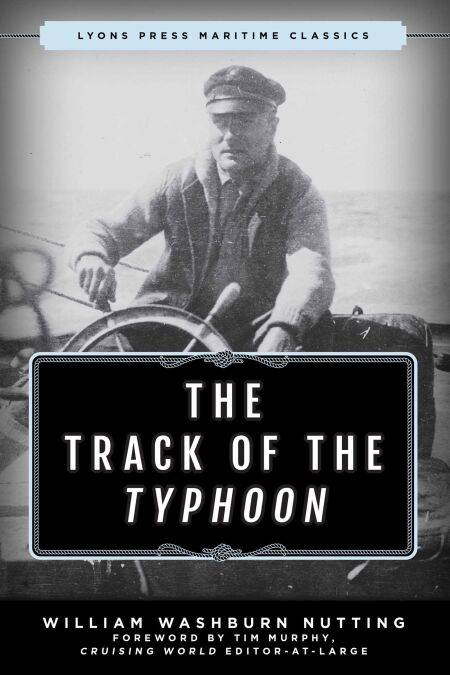
The thrilling true story of a small yacht's daring voyage across the Atlantic
On a cold, blustery, late November day in 1920, a little black 45-foot yacht slowly beat her way through the Narrows against an ebbing tide and a raw nor’wester and tied up at St. George, Staten Island. To the casual observer there was nothing unusual about the event, except possibly the lateness of the season, but to the practiced eye there were signs that spelled something more than a post-season run to the fishing banks. Her storm trysail, her tattered ensign, her decks and rail scoured white, the lifelines strung between her shrouds—all were marks that told of a battle with strong winds and heavy seas. She was the Typhoon, thirty-two days from the Azores, and in her short career since her launching in July, she had completed a cruise of seven thousand–odd miles that had taken her across the North Atlantic and back again.
This is the story of the Typhoon, from the time of her conception by William Nutting, editor of Motor Boat magazine, and his friend, the legendary naval architect William Atkin, to the finish of her cruise a year later – a journey to prove that it was possible to cross a large ocean in what at the time was considered a very small vessel. First published in 1921, The Track of the Typhoon is a classic tale of sailing across the Atlantic for the fun of the thing: for the sport of picking one’s way across great stretches of water by sextant and pitting one’s wits against the raw, honest forces of nature. It is a story that further cements what Slocum, Voss, Blackburn, and Day knew – that the size of a boat has little to do with its seaworthiness. Most of all, Typhoon will inspire a confidence in the possibilities of the small yacht and instill in readers a desire to explore the sea in their own small craft.
On a cold, blustery, late November day in 1920, a little black 45-foot yacht slowly beat her way through the Narrows against an ebbing tide and a raw nor’wester and tied up at St. George, Staten Island. To the casual observer there was nothing unusual about the event, except possibly the lateness of the season, but to the practiced eye there were signs that spelled something more than a post-season run to the fishing banks. Her storm trysail, her tattered ensign, her decks and rail scoured white, the lifelines strung between her shrouds—all were marks that told of a battle with strong winds and heavy seas. She was the Typhoon, thirty-two days from the Azores, and in her short career since her launching in July, she had completed a cruise of seven thousand–odd miles that had taken her across the North Atlantic and back again.
This is the story of the Typhoon, from the time of her conception by William Nutting, editor of Motor Boat magazine, and his friend, the legendary naval architect William Atkin, to the finish of her cruise a year later – a journey to prove that it was possible to cross a large ocean in what at the time was considered a very small vessel. First published in 1921, The Track of the Typhoon is a classic tale of sailing across the Atlantic for the fun of the thing: for the sport of picking one’s way across great stretches of water by sextant and pitting one’s wits against the raw, honest forces of nature. It is a story that further cements what Slocum, Voss, Blackburn, and Day knew – that the size of a boat has little to do with its seaworthiness. Most of all, Typhoon will inspire a confidence in the possibilities of the small yacht and instill in readers a desire to explore the sea in their own small craft.
Specificaties
Betrokkenen
- Auteur(s):
- Uitgeverij:
Inhoud
- Aantal bladzijden:
- 256
- Taal:
- Engels
- Reeks:
Eigenschappen
- Productcode (EAN):
- 9781493090723
- Verschijningsdatum:
- 30/06/2025
- Uitvoering:
- E-book
- Beveiligd met:
- Adobe DRM
- Formaat:
- ePub


Alleen bij Standaard Boekhandel
+ 20 punten op je klantenkaart van Standaard Boekhandel
Cadeau

AANGERADEN


Beoordelingen
We publiceren alleen reviews die voldoen aan de voorwaarden voor reviews. Bekijk onze voorwaarden voor reviews.