


- Afhalen na 1 uur in een winkel met voorraad
- Gratis thuislevering in België vanaf € 30
- Ruim aanbod met 7 miljoen producten
- Afhalen na 1 uur in een winkel met voorraad
- Gratis thuislevering in België vanaf € 30
- Ruim aanbod met 7 miljoen producten





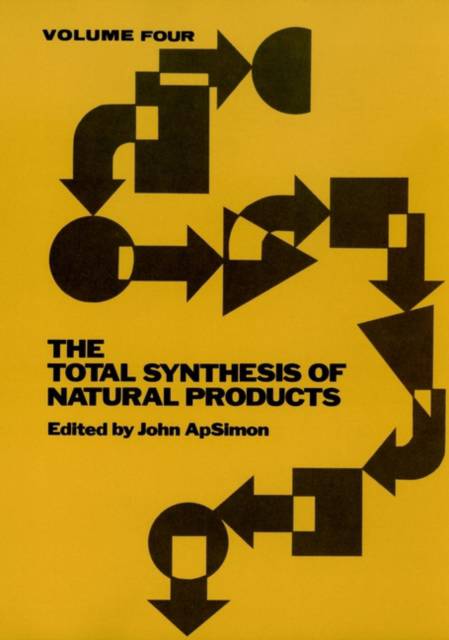
The Total Synthesis of Natural Products, Volume 4
€ 668,95
+ 1337 punten
Omschrijving
The Vocabulary of Organic Chemistry Milton Orchin, Fred Kaplan, Roger S. Macomber, R. Marshall Wilson & Hans W. ZimmerIdentifies those terms and concepts which now constitute thevocabulary of organic chemists, then defines and explains theseterms and concepts, most often using examples. Organized so thatsubject matter builds successively on increasingly varied andcomplex material. All terms and concepts related to a particulararea are placed together, except for one chapter on name and typereactions, which is alphabetically arranged. The only book of itskind--valuable to students, teachers and chemical professionalsalike. 1980 Protective Groups in Organic Synthesis Theodora W.Greene Provides essential information on transformations of organicmolecules, including instructions and references for the protectionand regeneration of the major organic functional groups: -OH, -NH, -SH, -COOH, and C = O. Covers the best methods of formation andcleavage, properties of protective groups, selection of a group fora particular need. Organization is by functional groups to beprotected, with groups arranged in order of increasing complexityof structure, and with most efficient methods of formation orcleavage described first. Charts show the reactivities of 270 ofthe most commonly used protective groups to 108 reagents, selectedas prototypes for the entire array of reagents available to theorganic chemist. 1981 Basics of Electroorganic Synthesis DemetriosK. Kyriacou A veteran organic electrochemist illuminatesfundamental ideas and principles by means of selected examples fromthe literature and his own research, demonstrating the practicalunity of the field in a clear, concise manner. Describes thegeneral electroorganic reaction and illustrates the general mode ofconcepts and applications in the area of electrosynthesis. Containsa brief survey of electroorganic reactions and coverage of specialtopics and the praxis of electroorganic synthesis. 1981
Specificaties
Betrokkenen
- Uitgeverij:
Inhoud
- Aantal bladzijden:
- 610
- Taal:
- Engels
- Reeks:
- Reeksnummer:
- nr. 4
Eigenschappen
- Productcode (EAN):
- 9780471054603
- Verschijningsdatum:
- 12/05/1981
- Uitvoering:
- Hardcover
- Formaat:
- Genaaid
- Afmetingen:
- 152 mm x 229 mm
- Gewicht:
- 1079 g

Alleen bij Standaard Boekhandel
+ 1337 punten op je klantenkaart van Standaard Boekhandel
CADEAU


Beoordelingen
We publiceren alleen reviews die voldoen aan de voorwaarden voor reviews. Bekijk onze voorwaarden voor reviews.