


- Afhalen na 1 uur in een winkel met voorraad
- Gratis thuislevering in België vanaf € 30
- Ruim aanbod met 7 miljoen producten
- Afhalen na 1 uur in een winkel met voorraad
- Gratis thuislevering in België vanaf € 30
- Ruim aanbod met 7 miljoen producten





€ 35,45
+ 70 punten
Uitvoering
Eenvoudig bestellen
Veilig betalen


Gratis thuislevering vanaf € 30 (via bpost)
Gratis levering in je Standaard Boekhandel
Omschrijving
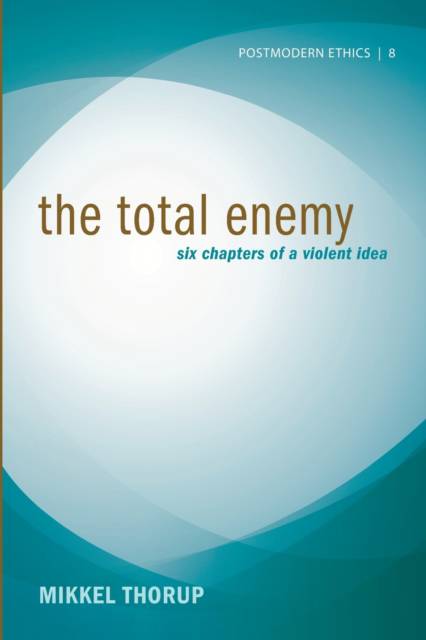
The Total Enemy explores the most radicalized forms of enmity, trying to unravel some of its historical and contemporary expressions. Starting from the premise that one of modernity's constitutive values is non-violence, the book explores how non-violence, or rather the making of a world free of violence, becomes a cause of violence, in some instances even extreme violence and totalitarian terror. The book consists of six case studies each exploring and discussing historically specific expressions of depicting an enemy as one the actors believe they can only deal with violently. It begins by looking at two important sites in the development of the total enemy, the French Revolution and the emergence of terrorist thinking in the middle of the nineteenth century. The book then turns to the twentieth century, beginning with the pre-WWII conceptualizations of the "total" in European political thought as an answer to a liberal state deemed unfit to manage and control mass society. Secondly, it considers the totalitarian enemy in Nazi Germany, especially Soviet Russia. Finally the book turns to two forms of contemporary total enmity: Islamism and in right-wing extremism. These concluding chapters look specifically at what happens to the total enemy concept once it goes from the state concept of the twentieth century to the private practice of the twenty-first.
Specificaties
Betrokkenen
- Auteur(s):
- Uitgeverij:
Inhoud
- Aantal bladzijden:
- 174
- Taal:
- Engels
- Reeks:
- Reeksnummer:
- nr. 8
Eigenschappen
- Productcode (EAN):
- 9781625648983
- Verschijningsdatum:
- 23/02/2015
- Uitvoering:
- Paperback
- Formaat:
- Trade paperback (VS)
- Afmetingen:
- 150 mm x 226 mm
- Gewicht:
- 217 g


Alleen bij Standaard Boekhandel
+ 70 punten op je klantenkaart van Standaard Boekhandel
CADEAU

AANGERADEN


Beoordelingen
We publiceren alleen reviews die voldoen aan de voorwaarden voor reviews. Bekijk onze voorwaarden voor reviews.