


- Afhalen na 1 uur in een winkel met voorraad
- Gratis thuislevering in België vanaf € 30
- Ruim aanbod met 7 miljoen producten
- Afhalen na 1 uur in een winkel met voorraad
- Gratis thuislevering in België vanaf € 30
- Ruim aanbod met 7 miljoen producten





€ 79,45
+ 158 punten
Eenvoudig bestellen
Veilig betalen


Gratis thuislevering vanaf € 30 (via bpost)
Gratis levering in je Standaard Boekhandel
Omschrijving
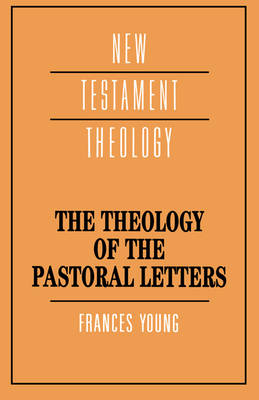
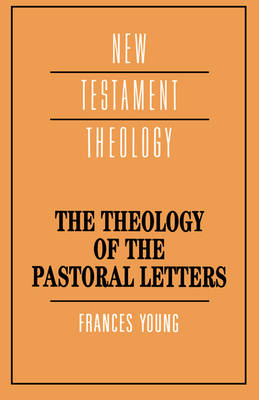
The Pastoral Letters have often been marginalised in modern New Testament studies. Regarded as not authentically Pauline, not very theological, and mostly evidence of the church settling down in the world, their patriarchal orientation has more recently futher alienated readers. Yet it was these little letters which mediated Paul to the Patristic church, and then provided scriptural material for debate about church order and ministry from the Reformation to the present. This study attempts to re-read the Pastorals in their original setting, revising many of the standard scholarly assessments in the light of recent work (especially developments in sociological study of the New Testament), and exploring the development of a tradition which proves to be theological in its fundamental structure and in its mode of addressing practical and organisational issues. The letters are then related to the very different context of the modern world.
Specificaties
Betrokkenen
- Auteur(s):
- Uitgeverij:
Inhoud
- Aantal bladzijden:
- 184
- Taal:
- Engels
- Reeks:
Eigenschappen
- Productcode (EAN):
- 9780521379311
- Verschijningsdatum:
- 26/05/1994
- Uitvoering:
- Paperback
- Formaat:
- Trade paperback (VS)
- Afmetingen:
- 140 mm x 216 mm
- Gewicht:
- 244 g


Alleen bij Standaard Boekhandel
+ 158 punten op je klantenkaart van Standaard Boekhandel
CADEAU

AANGERADEN


Beoordelingen
We publiceren alleen reviews die voldoen aan de voorwaarden voor reviews. Bekijk onze voorwaarden voor reviews.