


- Afhalen na 1 uur in een winkel met voorraad
- Gratis thuislevering in België vanaf € 30
- Ruim aanbod met 7 miljoen producten
- Afhalen na 1 uur in een winkel met voorraad
- Gratis thuislevering in België vanaf € 30
- Ruim aanbod met 7 miljoen producten





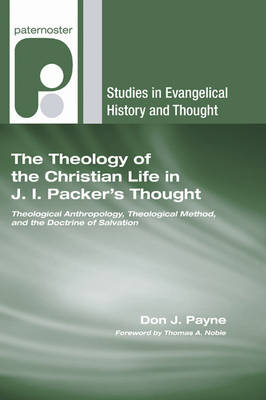
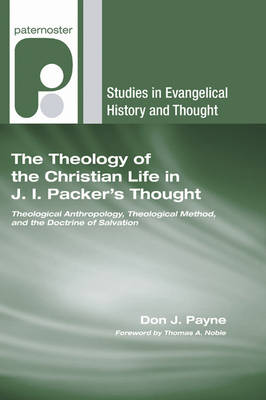
The Theology of the Christian Life in J.I. Packer's Thought
Don J Payne
€ 58,45
+ 116 punten
Uitvoering
Omschrijving
This study offers a critical analysis of J.I. Packer's theology of the Christian life. Packer has achieved international acclaim and wielded widespread influence within evangelicalism for more than three decades, particularly through his writings on the doctrine of sanctification. His approach to sanctification is examined in light of the theological anthropology and theological method that constitute its unique structure and assumptions. J.I. Packer has been one of the most recognized evangelical theologians of the late twentieth century. Among his theological passions is anchoring the Christian life in the legacy of Reformed theology, particularly that expressed by seventeenth-century English Puritanism. Yet, his treatment of the doctrine of sanctification is shaped by two other influences: theological anthropology and theological method. This hermeneutical exploration of Packer's treatment of sanctification offers fresh insight into his thought and demonstrates the often unnoticed impact of theological anthropology and theological method within evangelical theology.
Specificaties
Betrokkenen
- Auteur(s):
- Uitgeverij:
Inhoud
- Aantal bladzijden:
- 350
- Taal:
- Engels
- Reeks:
Eigenschappen
- Productcode (EAN):
- 9781597526920
- Verschijningsdatum:
- 1/06/2006
- Uitvoering:
- Paperback
- Formaat:
- Trade paperback (VS)
- Afmetingen:
- 154 mm x 229 mm
- Gewicht:
- 489 g


Alleen bij Standaard Boekhandel
+ 116 punten op je klantenkaart van Standaard Boekhandel
Cadeau

AANGERADEN


Beoordelingen
We publiceren alleen reviews die voldoen aan de voorwaarden voor reviews. Bekijk onze voorwaarden voor reviews.