


Bedankt voor het vertrouwen het afgelopen jaar! Om jou te bedanken bieden we GRATIS verzending (in België) aan op alles gedurende de hele maand januari.
- Afhalen na 1 uur in een winkel met voorraad
- In januari gratis thuislevering in België
- Ruim aanbod met 7 miljoen producten
Bedankt voor het vertrouwen het afgelopen jaar! Om jou te bedanken bieden we GRATIS verzending (in België) aan op alles gedurende de hele maand januari.
- Afhalen na 1 uur in een winkel met voorraad
- In januari gratis thuislevering in België
- Ruim aanbod met 7 miljoen producten


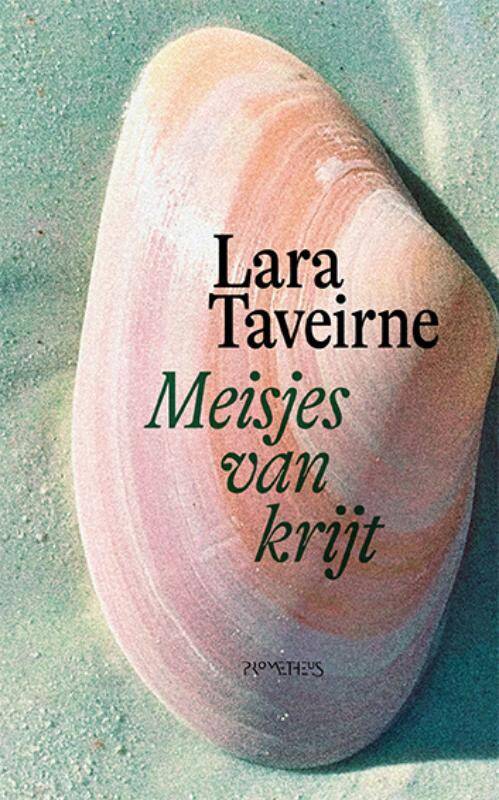


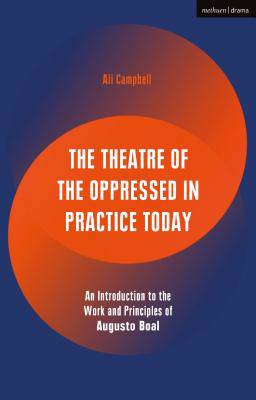
The Theatre of the Oppressed in Practice Today
An Introduction to the Work and Principles of Augusto Boal
Ali Campbell
€ 50,95
+ 101 punten
Uitvoering
Omschrijving
How has the work and legacy of Augusto Boal's Theatre of the Oppressed been interpreted and practised around the world? What does it look like in different working contexts? This book provides an accessible introduction to the political and artistic principles Boal's techniques are founded on, tracking exemplary practice from around the globe.
Using detailed contemporary case histories, theatre artist, scholar and activist Ali Campbell demonstrates how the underlying principles of Boal's practice are today enacted in the work of - among others - an urban network (Theatre of the Oppressed NYC); a rural and developmental theatre organisation (Jana Sanskriti, West Bengal); Boal's original company CTO Rio (Brazil); and a theatre-based group led by learning-disabled adults in the UK (The Lawnmowers Independent Theatre Company). The book concludes with a series of conversations between Campbell and international exponents of the work, envisioning futures for the Theatre of the Oppressed in the shifting political, educational and artistic contexts of the twenty-first century.
Using detailed contemporary case histories, theatre artist, scholar and activist Ali Campbell demonstrates how the underlying principles of Boal's practice are today enacted in the work of - among others - an urban network (Theatre of the Oppressed NYC); a rural and developmental theatre organisation (Jana Sanskriti, West Bengal); Boal's original company CTO Rio (Brazil); and a theatre-based group led by learning-disabled adults in the UK (The Lawnmowers Independent Theatre Company). The book concludes with a series of conversations between Campbell and international exponents of the work, envisioning futures for the Theatre of the Oppressed in the shifting political, educational and artistic contexts of the twenty-first century.
Specificaties
Betrokkenen
- Auteur(s):
- Uitgeverij:
Inhoud
- Aantal bladzijden:
- 264
- Taal:
- Engels
- Reeks:
Eigenschappen
- Productcode (EAN):
- 9781350031418
- Verschijningsdatum:
- 21/03/2019
- Uitvoering:
- Paperback
- Formaat:
- Trade paperback (VS)
- Afmetingen:
- 137 mm x 213 mm
- Gewicht:
- 317 g


Alleen bij Standaard Boekhandel
+ 101 punten op je klantenkaart van Standaard Boekhandel
SOLDEN


Beoordelingen
We publiceren alleen reviews die voldoen aan de voorwaarden voor reviews. Bekijk onze voorwaarden voor reviews.