


- Afhalen na 1 uur in een winkel met voorraad
- Gratis thuislevering in België vanaf € 30
- Ruim aanbod met 7 miljoen producten
- Afhalen na 1 uur in een winkel met voorraad
- Gratis thuislevering in België vanaf € 30
- Ruim aanbod met 7 miljoen producten





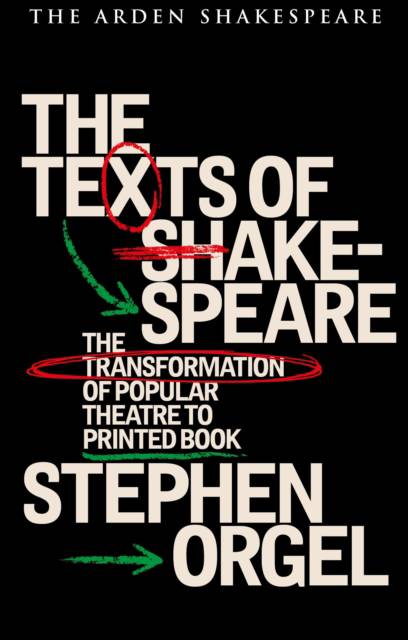
The Texts of Shakespeare
The Transformation of Popular Theatre to Printed Book
Stephen Orgel
Hardcover | Engels
€ 152,95
+ 305 punten
Uitvoering
Omschrijving
How did plays from the popular theatre, written by an author better known as a poet, become the greatest literary monument in English? Renowned Shakespearean Stephen Orgel reveals how the transformation of Shakespeare's scripts was a triumph of both editorial intervention and marketing.
By no means the most admired playwright of his time, Shakespeare's most popular work during his lifetime and for decades afterwards was the long poem Venus and Adonis, first published in 1593. It wasn't until 1598 that Shakespeare's name appeared on the title page of a book, so how did Shakespeare's plays become the benchmark of English Renaissance drama? By examining the process of transformation from performance script to published book Orgel provides an accessible story of the making of Shakespeare's reputation in print and of how the publication of his plays in a grand folio in 1623 made a radical claim for his plays as literature, in effect declaring his plays modern classics.
With chapters on the poems, Romeo and Juliet, Hamlet, King Lear, Pericles and Macbeth, this book offers a number of case studies illustrating a variety of problems of dealing with the quartos, as well as how different a 'good' text of a play was for Shakespeare's readers and for modern scholars. It closes with an account of the production of the first folio, which, with the precedent of the Ben Jonson folio of 1616, effectively conferred classic status on this popular contemporary dramatist.
By no means the most admired playwright of his time, Shakespeare's most popular work during his lifetime and for decades afterwards was the long poem Venus and Adonis, first published in 1593. It wasn't until 1598 that Shakespeare's name appeared on the title page of a book, so how did Shakespeare's plays become the benchmark of English Renaissance drama? By examining the process of transformation from performance script to published book Orgel provides an accessible story of the making of Shakespeare's reputation in print and of how the publication of his plays in a grand folio in 1623 made a radical claim for his plays as literature, in effect declaring his plays modern classics.
With chapters on the poems, Romeo and Juliet, Hamlet, King Lear, Pericles and Macbeth, this book offers a number of case studies illustrating a variety of problems of dealing with the quartos, as well as how different a 'good' text of a play was for Shakespeare's readers and for modern scholars. It closes with an account of the production of the first folio, which, with the precedent of the Ben Jonson folio of 1616, effectively conferred classic status on this popular contemporary dramatist.
Specificaties
Betrokkenen
- Auteur(s):
- Uitgeverij:
Inhoud
- Aantal bladzijden:
- 192
- Taal:
- Engels
Eigenschappen
- Productcode (EAN):
- 9781350561052
- Verschijningsdatum:
- 22/01/2026
- Uitvoering:
- Hardcover
- Formaat:
- Genaaid
- Afmetingen:
- 140 mm x 216 mm
- Gewicht:
- 371 g


Alleen bij Standaard Boekhandel
+ 305 punten op je klantenkaart van Standaard Boekhandel
Cadeau

AANGERADEN


Beoordelingen
We publiceren alleen reviews die voldoen aan de voorwaarden voor reviews. Bekijk onze voorwaarden voor reviews.