


- Afhalen na 1 uur in een winkel met voorraad
- Gratis thuislevering in België vanaf € 30
- Ruim aanbod met 7 miljoen producten
- Afhalen na 1 uur in een winkel met voorraad
- Gratis thuislevering in België vanaf € 30
- Ruim aanbod met 7 miljoen producten





€ 13,95
+ 27 punten
Eenvoudig bestellen
Veilig betalen


Gratis thuislevering vanaf € 30 (via bpost)
Gratis levering in je Standaard Boekhandel
Omschrijving
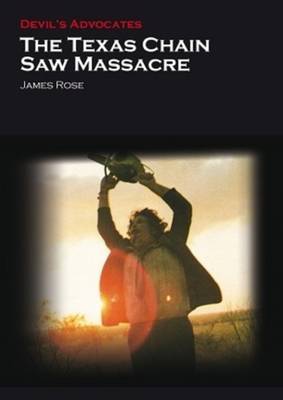
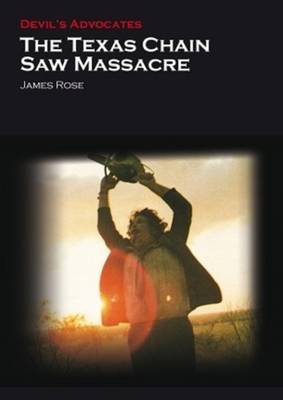
No-one who has ever seen the original The Texas Chain Saw Massacre (1974) is ever likely to forget the experience. An intense fever dream (or nightmare), it is remarkable for its sense of sustained threat and depiction of an insane but nonetheless (dys)functional family on the furthest reaches of society who have regressed to cannibalism in the face of economic hardship. As well as providing a summary of the making of the film, James Rose discusses the extraordinary censorship history of the film in the UK (essentially banned for two decades) and provides a detailed textual analysis of the film with particular reference to the concept of 'the Uncanny'. He also situates the film in the context of horror film criticism (the 'Final Girl' character) and discusses its influence and subsequent sequels and remakes.
Specificaties
Betrokkenen
- Auteur(s):
- Uitgeverij:
Inhoud
- Aantal bladzijden:
- 108
- Taal:
- Engels
- Reeks:
Eigenschappen
- Productcode (EAN):
- 9781906733643
- Verschijningsdatum:
- 16/04/2013
- Uitvoering:
- Paperback
- Formaat:
- Trade paperback (VS)
- Afmetingen:
- 135 mm x 188 mm
- Gewicht:
- 158 g


Alleen bij Standaard Boekhandel
+ 27 punten op je klantenkaart van Standaard Boekhandel
CADEAU

AANGERADEN


Beoordelingen
We publiceren alleen reviews die voldoen aan de voorwaarden voor reviews. Bekijk onze voorwaarden voor reviews.