


- Afhalen na 1 uur in een winkel met voorraad
- Gratis thuislevering in België vanaf € 30
- Ruim aanbod met 7 miljoen producten
- Afhalen na 1 uur in een winkel met voorraad
- Gratis thuislevering in België vanaf € 30
- Ruim aanbod met 7 miljoen producten





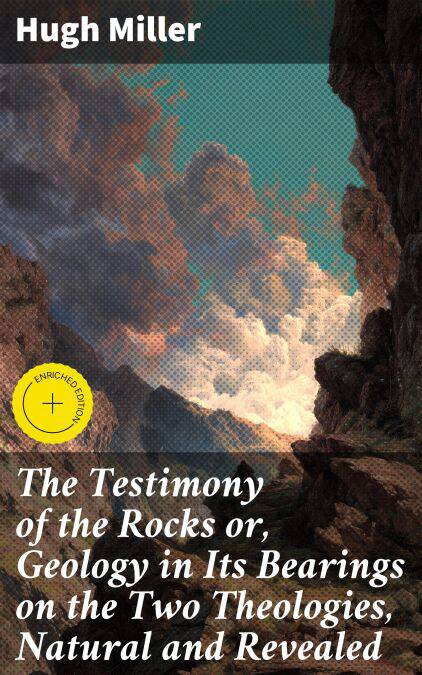
The Testimony of the Rocks or, Geology in Its Bearings on the Two Theologies, Natural and Revealed E-BOOK
Enriched edition. Exploring the Divine Secrets of Earth's History
Hugh Miller
E-book | Engels
€ 0,99
Omschrijving
In "The Testimony of the Rocks," Hugh Miller presents a compelling exploration of geology and its profound implications for both natural and revealed theology. Written during a pivotal moment in the 19th century, when scientific thought began to challenge traditional religious beliefs, Miller's work employs a vivid literary style that intertwines descriptive geological observation with philosophical inquiry. Through meticulous analysis of rock formations and fossil evidence, he seeks to harmonize the natural world with spiritual truth, demonstrating that geology can offer insights into divine creation and biblical narratives. Hugh Miller was a Scottish geologist, writer, and staunch advocate of the integration of science and faith. His background as an autodidact'—rooted in a humble upbringing'—combined with his deep passion for natural history, led him to engage critically with these complex themes. Influenced by contemporaries like Charles Lyell and the theological debates of his time, Miller's writings reflect a sincere desire to reconcile emerging scientific discoveries with the traditional tenets of Christianity, highlighting the shared pursuit of truth. This book is highly recommended for readers interested in the intersection of science and religion. Miller's persuasive arguments and eloquent prose make this a pivotal text for anyone seeking to understand the historical dialogue between geology and theology. It invites reflection on how contemporary perspectives on faith and science can be informed by the past, making it equally relevant today.
In this enriched edition, we have carefully created added value for your reading experience:
- A succinct Introduction situates the work's timeless appeal and themes.
- The Synopsis outlines the central plot, highlighting key developments without spoiling critical twists.
- A detailed Historical Context immerses you in the era's events and influences that shaped the writing.
- A thorough Analysis dissects symbols, motifs, and character arcs to unearth underlying meanings.
- Reflection questions prompt you to engage personally with the work's messages, connecting them to modern life.
- Hand‐picked Memorable Quotes shine a spotlight on moments of literary brilliance.
- Interactive footnotes clarify unusual references, historical allusions, and archaic phrases for an effortless, more informed read.
In this enriched edition, we have carefully created added value for your reading experience:
- A succinct Introduction situates the work's timeless appeal and themes.
- The Synopsis outlines the central plot, highlighting key developments without spoiling critical twists.
- A detailed Historical Context immerses you in the era's events and influences that shaped the writing.
- A thorough Analysis dissects symbols, motifs, and character arcs to unearth underlying meanings.
- Reflection questions prompt you to engage personally with the work's messages, connecting them to modern life.
- Hand‐picked Memorable Quotes shine a spotlight on moments of literary brilliance.
- Interactive footnotes clarify unusual references, historical allusions, and archaic phrases for an effortless, more informed read.
Specificaties
Betrokkenen
- Auteur(s):
- Uitgeverij:
Inhoud
- Aantal bladzijden:
- 7851
- Taal:
- Engels
Eigenschappen
- Productcode (EAN):
- 4057664566201
- Verschijningsdatum:
- 3/12/2019
- Uitvoering:
- E-book
- Beveiligd met:
- Digital watermarking
- Formaat:
- ePub



Alleen bij Standaard Boekhandel
CADEAU

AANGERADEN


Beoordelingen
We publiceren alleen reviews die voldoen aan de voorwaarden voor reviews. Bekijk onze voorwaarden voor reviews.