



- Afhalen na 1 uur in een winkel met voorraad
- In januari gratis thuislevering in België
- Ruim aanbod met 7 miljoen producten
- Afhalen na 1 uur in een winkel met voorraad
- In januari gratis thuislevering in België
- Ruim aanbod met 7 miljoen producten





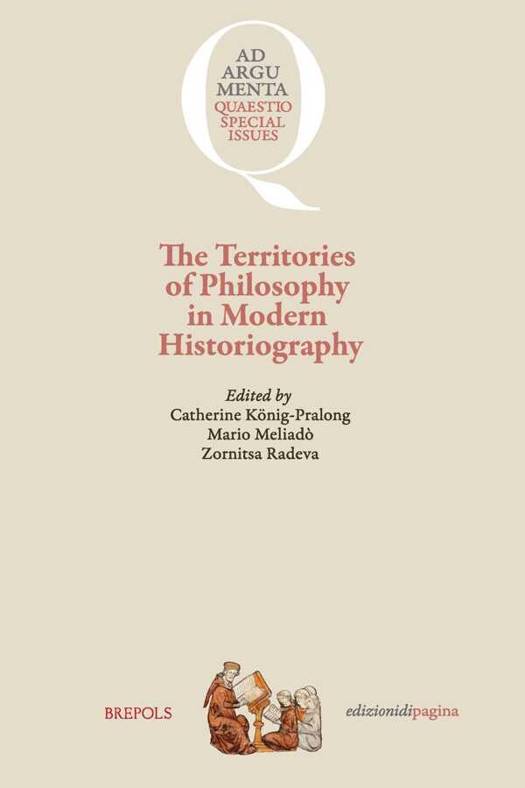
The Territories of Philosophy in Modern Historiography
Catherine König - Pralong
€ 74,20
+ 148 punten
Omschrijving
In the recent past, critical discussions concerning notions such as 'cultural area' and 'area studies', as well as their relativizations by means of conceptions that avoid splitting clearly identified areas (inter alia, 'third space', 'hybridity', 'diaspora', or 'cosmopolitism'), drew attention to the long history of cultural territorialization. This book attempts to open the history of philosophy to reflexive and globalizing tendencies elaborated in the field of 'world history'. From the seventeenth century onward, in both modern Europe and North America, historical sciences-notably philosophical historiography and cultural history-colonized both the past (or national pasts) and the 'rest' of the world. The contributions gathered in the present volume address both phenomena to the extent that they have been linked with modern historicization of philosophy, sciences, and culture.
Specificaties
Betrokkenen
- Auteur(s):
- Uitgeverij:
Inhoud
- Aantal bladzijden:
- 253
- Taal:
- Engels
- Reeks:
- Reeksnummer:
- nr. 1
Eigenschappen
- Productcode (EAN):
- 9782503584683
- Verschijningsdatum:
- 18/04/2019
- Uitvoering:
- Paperback
- Formaat:
- Trade paperback (VS)
- Afmetingen:
- 353 mm x 257 mm
- Gewicht:
- 2218 g


Alleen bij Standaard Boekhandel
+ 148 punten op je klantenkaart van Standaard Boekhandel
Cadeau

AANGERADEN


Beoordelingen
We publiceren alleen reviews die voldoen aan de voorwaarden voor reviews. Bekijk onze voorwaarden voor reviews.