


- Afhalen na 1 uur in een winkel met voorraad
- Gratis thuislevering in België vanaf € 30
- Ruim aanbod met 7 miljoen producten
- Afhalen na 1 uur in een winkel met voorraad
- Gratis thuislevering in België vanaf € 30
- Ruim aanbod met 7 miljoen producten





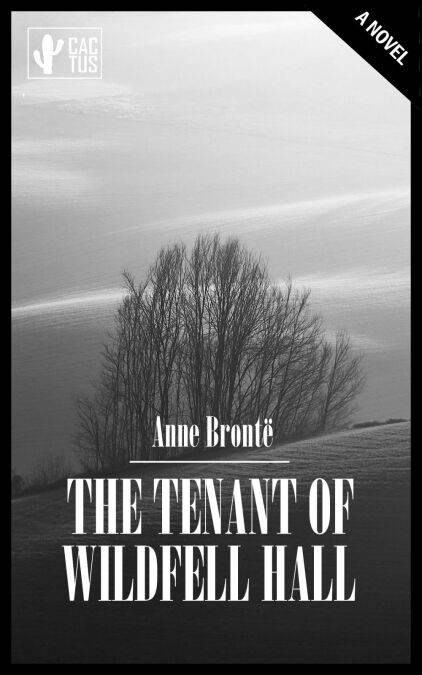
Omschrijving
In a secluded village, a mysterious widow arrives at the desolate, time-worn manor of Wildfell Hall. Mrs. Helen Graham, a beautiful and accomplished artist, is a figure of intense speculation and scandalous gossip. To her new neighbour, the young farmer Gilbert Markham, she is a fiercely protective of her young son. Drawn to her against his better judgment, Gilbert becomes determined to uncover the secret that shadows her life.
The truth, revealed through the shocking and unflinching pages of Helen's own diary, is more brutal than anyone could imagine. It is the story of her disastrous marriage to Arthur Huntingdon, a charismatic but dissolute rake whose descent into alcoholism, gambling, and infidelity turns their home into a gilded cage of degradation. In a act of breathtaking defiance for the Victorian era, Helen makes a desperate bid for freedom, not only to save herself but, more importantly, to rescue her son.
A novel of shocking realism and moral courage, The Tenant of Wildfell Hall is a scorching indictment of a society that trapped women in toxic marriages. With breathtaking honesty, Anne Brontë tackles themes of addiction, domestic ruin, and a woman's right to autonomy, crafting a story that is at once a gripping mystery, a poignant romance, and a powerful social manifesto. Its boldness scandalized critics in its day, but it stands now as a testament to Anne Brontë's radical vision and fierce integrity.
The truth, revealed through the shocking and unflinching pages of Helen's own diary, is more brutal than anyone could imagine. It is the story of her disastrous marriage to Arthur Huntingdon, a charismatic but dissolute rake whose descent into alcoholism, gambling, and infidelity turns their home into a gilded cage of degradation. In a act of breathtaking defiance for the Victorian era, Helen makes a desperate bid for freedom, not only to save herself but, more importantly, to rescue her son.
A novel of shocking realism and moral courage, The Tenant of Wildfell Hall is a scorching indictment of a society that trapped women in toxic marriages. With breathtaking honesty, Anne Brontë tackles themes of addiction, domestic ruin, and a woman's right to autonomy, crafting a story that is at once a gripping mystery, a poignant romance, and a powerful social manifesto. Its boldness scandalized critics in its day, but it stands now as a testament to Anne Brontë's radical vision and fierce integrity.
Specificaties
Betrokkenen
- Auteur(s):
- Uitgeverij:
Inhoud
- Taal:
- Engels
Eigenschappen
- Productcode (EAN):
- 9791256795918
- Verschijningsdatum:
- 9/01/2026
- Uitvoering:
- E-book
- Beveiligd met:
- Digital watermarking
- Formaat:
- ePub


Alleen bij Standaard Boekhandel
+ 2 punten op je klantenkaart van Standaard Boekhandel
Cadeau

AANGERADEN


Beoordelingen
We publiceren alleen reviews die voldoen aan de voorwaarden voor reviews. Bekijk onze voorwaarden voor reviews.