


- Afhalen na 1 uur in een winkel met voorraad
- Gratis thuislevering in België vanaf € 30
- Ruim aanbod met 7 miljoen producten
- Afhalen na 1 uur in een winkel met voorraad
- Gratis thuislevering in België vanaf € 30
- Ruim aanbod met 7 miljoen producten





€ 19,99
+ 19 punten
Omschrijving
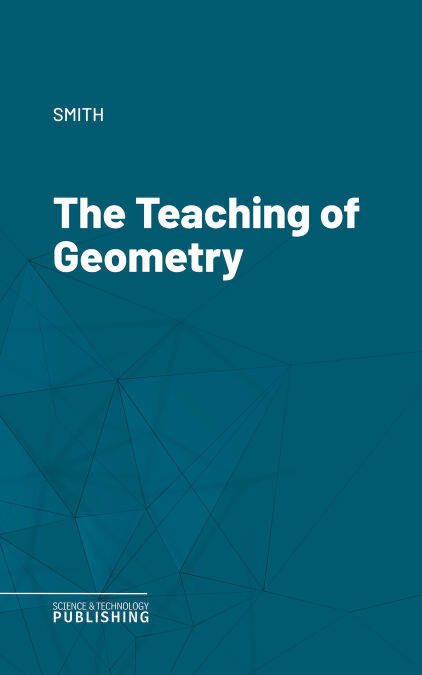
The Teaching of Geometry by David Eugene Smith is a comprehensive exploration of the methods, history, and philosophy behind the instruction of geometry, particularly in secondary schools. Drawing on his extensive experience as a mathematician and educator, Smith delves into the evolution of geometric thought from ancient times to the early twentieth century, examining how the subject has been taught and how it can be made more accessible and meaningful to students. The book discusses the aims and values of teaching geometry, emphasizing the importance of logical reasoning, spatial visualization, and the development of critical thinking skills. Smith analyzes various approaches to the subject, including synthetic, analytic, and practical methods, and offers detailed guidance on the selection and organization of topics, the use of textbooks, and the integration of historical and cultural perspectives. He addresses common challenges faced by teachers, such as motivating students, fostering understanding rather than rote memorization, and adapting instruction to different learning styles. Throughout, Smith advocates for a balance between rigor and intuition, encouraging teachers to inspire curiosity and appreciation for the beauty and utility of geometry. Rich with historical anecdotes, pedagogical insights, and practical suggestions, The Teaching of Geometry remains a valuable resource for educators seeking to deepen their understanding of both the subject and the art of teaching it.
Specificaties
Betrokkenen
- Auteur(s):
- Uitgeverij:
Inhoud
- Taal:
- Engels
Eigenschappen
- Productcode (EAN):
- 9782528107959
- Verschijningsdatum:
- 31/08/2025
- Uitvoering:
- E-book
- Formaat:
- ePub


Alleen bij Standaard Boekhandel
+ 19 punten op je klantenkaart van Standaard Boekhandel
Cadeau

AANGERADEN


Beoordelingen
We publiceren alleen reviews die voldoen aan de voorwaarden voor reviews. Bekijk onze voorwaarden voor reviews.