



Je cadeautjes zeker op tijd in huis hebben voor de feestdagen? Kom langs in onze winkels en vind het perfecte geschenk!
- Afhalen na 1 uur in een winkel met voorraad
- Gratis thuislevering in België vanaf € 30
- Ruim aanbod met 7 miljoen producten
Je cadeautjes zeker op tijd in huis hebben voor de feestdagen? Kom langs in onze winkels en vind het perfecte geschenk!
- Afhalen na 1 uur in een winkel met voorraad
- Gratis thuislevering in België vanaf € 30
- Ruim aanbod met 7 miljoen producten





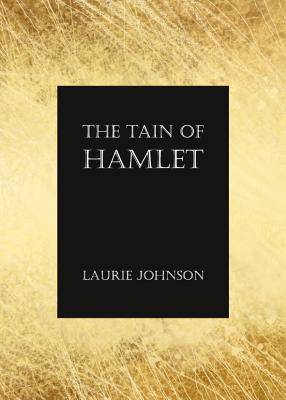
Omschrijving
Shakespeare's Hamlet is considered by many to be the cornerstone of the English literary canon, a play that remains universally relevant. Yet it seems likely that we have spent so long reading the play for its capacity to reflect ourselves that we have lost sight of the thing itself. The goal of this book is to look beyond the Hamlet that has bedazzled critics for centuries, to seek to apprehend the play in all of its historical distinctness. This is not simply the search for what the play meant to early modern audiences, less still the pursuit of the author's intention. Instead, the tain of Hamlet is offered as the historical, material evidence of how the play came to be, from its sources in Danish legend to the contemporary historical forces that shaped the business world of Elizabethan players and playwrights. Drawing on methods from textual studies and cultural history, this investigation into the origins of Shakespeare's most famous play unravels a number of longstanding myths about the players, the printers, the patrons, and other historical figures whose lives intersected with the making of Hamlet, including the Bard himself.
Specificaties
Betrokkenen
- Auteur(s):
- Uitgeverij:
Inhoud
- Aantal bladzijden:
- 340
- Taal:
- Engels
Eigenschappen
- Productcode (EAN):
- 9781443847698
- Verschijningsdatum:
- 1/06/2013
- Uitvoering:
- Hardcover
- Formaat:
- Ongenaaid / garenloos gebonden
- Afmetingen:
- 147 mm x 208 mm
- Gewicht:
- 430 g


Alleen bij Standaard Boekhandel
+ 288 punten op je klantenkaart van Standaard Boekhandel
CADEAU


Beoordelingen
We publiceren alleen reviews die voldoen aan de voorwaarden voor reviews. Bekijk onze voorwaarden voor reviews.