


- Afhalen na 1 uur in een winkel met voorraad
- Gratis thuislevering in België vanaf € 30
- Ruim aanbod met 7 miljoen producten
- Afhalen na 1 uur in een winkel met voorraad
- Gratis thuislevering in België vanaf € 30
- Ruim aanbod met 7 miljoen producten





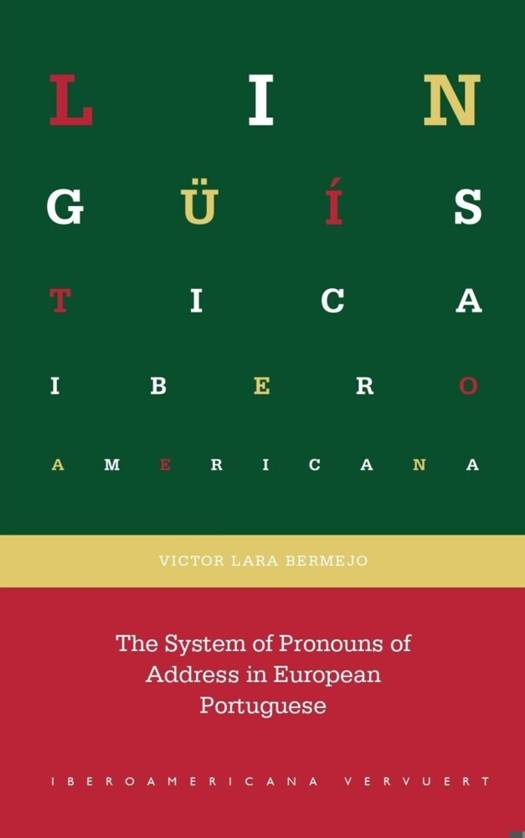
The system of pronouns of address in european portuguese
Víctor Lara Bermejo
€ 35,45
+ 70 punten
Omschrijving
This book shows the current system of pronouns and forms of address in European Portuguese, thanks to fieldwork carried out throughout continental Portugal and its archipelagos. By means of an innovative method to prompt spontaneous and quantitative data, this monograph provides the paradigm that rules nowadays, together with the geographical, sociolinguistic, pragmatic and grammatical factors that affect one of the most complex and volatile phenomena in Lusophone linguistics. The results show a country extremely sensitive to politeness and distance, undergoing multiple pragmatic changes, and creating an innovative tripartite system both in singular and plural that contradicts cross-linguistic tendencies.
Specificaties
Betrokkenen
- Auteur(s):
- Uitgeverij:
Inhoud
- Taal:
- Engels
- Reeks:
- Reeksnummer:
- nr. 103
Eigenschappen
- Productcode (EAN):
- 9783968698298
- Uitvoering:
- Paperback
- Afmetingen:
- 150 mm x 230 mm
- Gewicht:
- 390 g


Alleen bij Standaard Boekhandel
+ 70 punten op je klantenkaart van Standaard Boekhandel
CADEAU

AANGERADEN


Beoordelingen
We publiceren alleen reviews die voldoen aan de voorwaarden voor reviews. Bekijk onze voorwaarden voor reviews.