


- Afhalen na 1 uur in een winkel met voorraad
- Gratis thuislevering in België vanaf € 30
- Ruim aanbod met 7 miljoen producten
- Afhalen na 1 uur in een winkel met voorraad
- Gratis thuislevering in België vanaf € 30
- Ruim aanbod met 7 miljoen producten





€ 68,90
+ 137 punten
Omschrijving
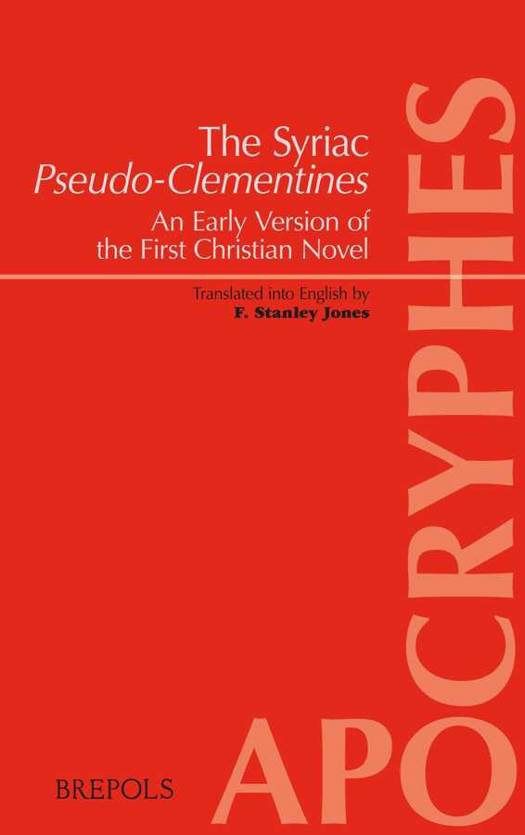
Of imperial family and eventually Peter's heir as bishop of Rome, Clement relates here how he happened to become a Christian and how Peter instructed his companions as he refutes the arch-heretic Simon Magus in a series of debates. Clement also recounts the astonishing recovery of his long-lost family. All these events occur in the year of Christ's death. The Pseudo-Clementines were popular reading throughout the Middle Ages in a Latin translation and reemerged in early modern times via vernacular versions and especially the Faust-legend. Often considered the first and only ancient Christian novel, the Pseudo-Clementines originated in Syrian Jewish-Christianity in the early third century. Two ancient Syriac translations from the fourth century reflect Greek texts no longer preserved; they contain the essence of Clement's biographical account and of Peter's teachings and debates with Simon. Of particular interest is Peter's detailed review of the origins of Christianity, which apparently seeks to rebut the canonical Acts of the Apostles and lays the blame for the unbelief of the Jews squarely at the feet of Paul. This volume presents the first complete translation of the Syriac into any modern language and thereby opens the door for a new stage of historical research and literary appreciation.
Specificaties
Betrokkenen
- Auteur(s):
- Uitgeverij:
Inhoud
- Aantal bladzijden:
- 352
- Taal:
- Frans
- Reeks:
- Reeksnummer:
- nr. 14
Eigenschappen
- Productcode (EAN):
- 9782503551111
- Verschijningsdatum:
- 11/12/2014
- Uitvoering:
- Paperback
- Formaat:
- Trade paperback (VS)
- Afmetingen:
- 122 mm x 190 mm
- Gewicht:
- 385 g


Alleen bij Standaard Boekhandel
+ 137 punten op je klantenkaart van Standaard Boekhandel
Cadeau

AANGERADEN


Beoordelingen
We publiceren alleen reviews die voldoen aan de voorwaarden voor reviews. Bekijk onze voorwaarden voor reviews.