


- Afhalen na 1 uur in een winkel met voorraad
- Gratis thuislevering in België vanaf € 30
- Ruim aanbod met 7 miljoen producten
- Afhalen na 1 uur in een winkel met voorraad
- Gratis thuislevering in België vanaf € 30
- Ruim aanbod met 7 miljoen producten





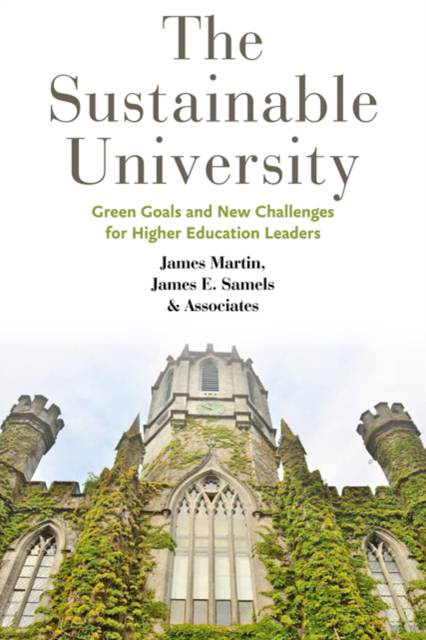
The Sustainable University
Green Goals and New Challenges for Higher Education Leaders
James Martin, James E Samels
Paperback | Engels
€ 56,45
+ 112 punten
Uitvoering
Omschrijving
Colleges and universities are at the forefront of efforts to preserve the earth's resources for future generations. Carbon neutrality, renewable energy sources, green building strategies, and related initiatives require informed and courageous leaders at all levels of higher education. James Martin and James E. Samels have worked closely with college and university presidents, provosts, and trustees to devise best practices that establish sustainable policies and programs in the major areas of institutional operations. While almost seven hundred chief executive officers have signed the American College and University Presidents' Climate Commitment, several thousand have yet to do so. This book identifies four of the most formidable challenges facing these presidents and leadership teams along with solutions to address them: effectively institutionalizing sustainability thinking; developing an efficient, flexible system of sustainability benchmarks; implementing an accountable university budget model; and engaging boards of trustees in the campus sustainability agenda. The volume's contributors, including recognized authorities on sustainability as well as campus executives with broad-ranging experience, consider these challenges and discuss specific action plans, best practices, and emerging trends in sustainability efforts. They offer sustainability solutions for almost every major operational area of campus and consider what sustainability means for colleges and universities-and the legacy of those entrusted with shaping their future. The meaning of sustainability is evolving, and it differs from one campus to the next. This timely and comprehensive volume guides institutional leaders past the myths and misconceptions to the sustainable university.
Specificaties
Betrokkenen
- Auteur(s):
- Uitgeverij:
Inhoud
- Aantal bladzijden:
- 352
- Taal:
- Engels
Eigenschappen
- Productcode (EAN):
- 9781421412511
- Verschijningsdatum:
- 31/10/2013
- Uitvoering:
- Paperback
- Formaat:
- Trade paperback (VS)
- Afmetingen:
- 152 mm x 229 mm
- Gewicht:
- 517 g


Alleen bij Standaard Boekhandel
+ 112 punten op je klantenkaart van Standaard Boekhandel
Cadeau

AANGERADEN


Beoordelingen
We publiceren alleen reviews die voldoen aan de voorwaarden voor reviews. Bekijk onze voorwaarden voor reviews.