


- Afhalen na 1 uur in een winkel met voorraad
- Gratis thuislevering in België vanaf € 30
- Ruim aanbod met 7 miljoen producten
- Afhalen na 1 uur in een winkel met voorraad
- Gratis thuislevering in België vanaf € 30
- Ruim aanbod met 7 miljoen producten




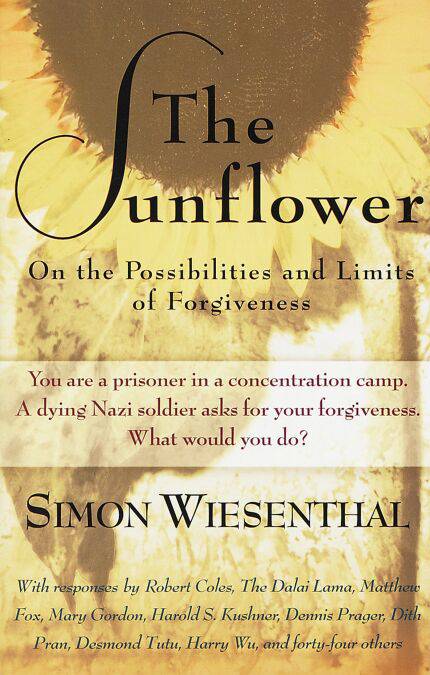
The Sunflower E-BOOK
On the Possibilities and Limits of Forgiveness
Simon Wiesenthal
E-book | Engels
€ 10,36
Omschrijving
A Holocaust survivor's surprising and thought-provoking study of forgiveness, justice, compassion, and human responsibility, featuring contributions from the Dalai Lama, Harry Wu, Cynthia Ozick, Primo Levi, and more.
You are a prisoner in a concentration camp. A dying Nazi soldier asks for your forgiveness. What would you do?
While imprisoned in a Nazi concentration camp, Simon Wiesenthal was taken one day from his work detail to the bedside of a dying member of the SS. Haunted by the crimes in which he had participated, the soldier wanted to confess to--and obtain absolution from--a Jew. Faced with the choice between compassion and justice, silence and truth, Wiesenthal said nothing. But even years after the way had ended, he wondered: Had he done the right thing? What would you have done in his place?
In this important book, fifty-three distinguished men and women respond to Wiesenthal's questions. They are theologians, political leaders, writers, jurists, psychiatrists, human rights activists, Holocaust survivors, and victims of attempted genocides in Bosnia, Cambodia, China and Tibet. Their responses, as varied as their experiences of the world, remind us that Wiesenthal's questions are not limited to events of the past.
You are a prisoner in a concentration camp. A dying Nazi soldier asks for your forgiveness. What would you do?
While imprisoned in a Nazi concentration camp, Simon Wiesenthal was taken one day from his work detail to the bedside of a dying member of the SS. Haunted by the crimes in which he had participated, the soldier wanted to confess to--and obtain absolution from--a Jew. Faced with the choice between compassion and justice, silence and truth, Wiesenthal said nothing. But even years after the way had ended, he wondered: Had he done the right thing? What would you have done in his place?
In this important book, fifty-three distinguished men and women respond to Wiesenthal's questions. They are theologians, political leaders, writers, jurists, psychiatrists, human rights activists, Holocaust survivors, and victims of attempted genocides in Bosnia, Cambodia, China and Tibet. Their responses, as varied as their experiences of the world, remind us that Wiesenthal's questions are not limited to events of the past.
Specificaties
Betrokkenen
- Auteur(s):
- Uitgeverij:
Inhoud
- Aantal bladzijden:
- 304
- Taal:
- Engels
Eigenschappen
- Productcode (EAN):
- 9780307560421
- Verschijningsdatum:
- 17/12/2008
- Uitvoering:
- E-book
- Beveiligd met:
- Adobe DRM
- Formaat:
- ePub


Alleen bij Standaard Boekhandel
AANGERADEN


Beoordelingen
We publiceren alleen reviews die voldoen aan de voorwaarden voor reviews. Bekijk onze voorwaarden voor reviews.