


- Afhalen na 1 uur in een winkel met voorraad
- Gratis thuislevering in België vanaf € 30
- Ruim aanbod met 7 miljoen producten
- Afhalen na 1 uur in een winkel met voorraad
- Gratis thuislevering in België vanaf € 30
- Ruim aanbod met 7 miljoen producten


€ 118,45
+ 236 punten
Omschrijving
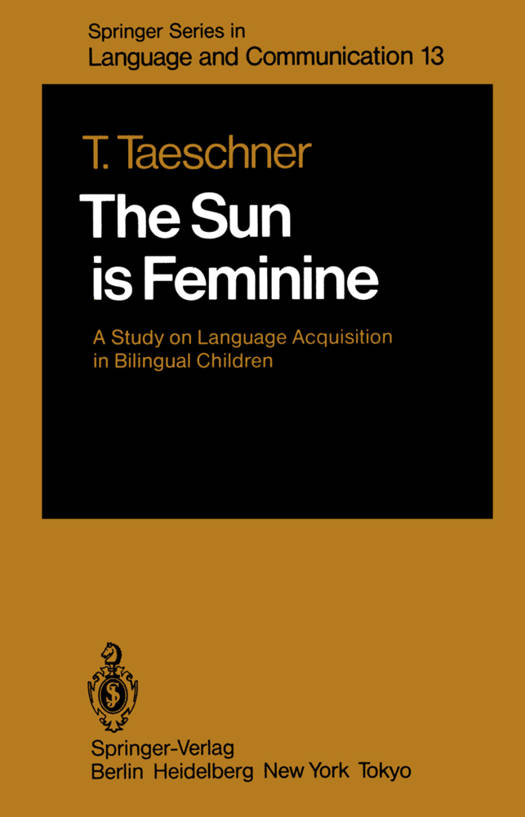
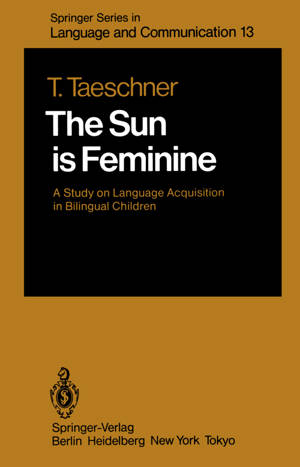
Lisa is 4 years and 5 months old and Giulia 3 years and 4 months. One morning, the girls' father is taking them to nursery school. L: ... e bravissima, ha riscaldato l'auto. E' bravissima, vera? In praising the sun for having warmed up the car, Lisa has referred to it in the feminine gender, as in the German die Sonne. Her father corrects her by using the masculine gender. F: E' bravissimo. E' if sale. L: E' un maschietto, if sale? (Is the sun a little boy?) F: E'maschife. (It's masculine.) G [determined]: E' una femmina! (No, it's a girl!) F: Forse in tedesco. (Perhaps it is in German.) is left disoriented, speechless. Giulia This book is devoted to language acquisition in children who have been expos- ed to two languages since birth. It has often been said that the study of simultaneous bilingualism is the "most fertile ground" for the formulation of general theories on language acquisition processes, and indeed, most of the studies on early bilingualism aim in this direction. But in a sense this book serves the reverse purpose. Using the results of psycholinguistic research as a basis, I have sought to understand the peculiarities of the process of language organization in the child who faces the problem of learning two languages when other children are learning only one. Thus, the recurring theme of my study is the diversity of bilingual as opposed to monolingual acquisition.
Specificaties
Betrokkenen
- Auteur(s):
- Uitgeverij:
Inhoud
- Aantal bladzijden:
- 248
- Taal:
- Engels
- Reeks:
- Reeksnummer:
- nr. 13
Eigenschappen
- Productcode (EAN):
- 9783642483318
- Verschijningsdatum:
- 27/03/2012
- Uitvoering:
- Paperback
- Formaat:
- Trade paperback (VS)
- Afmetingen:
- 156 mm x 234 mm
- Gewicht:
- 371 g


Alleen bij Standaard Boekhandel
+ 236 punten op je klantenkaart van Standaard Boekhandel
Wedstrijd


Beoordelingen
We publiceren alleen reviews die voldoen aan de voorwaarden voor reviews. Bekijk onze voorwaarden voor reviews.