


- Afhalen na 1 uur in een winkel met voorraad
- Gratis thuislevering in België vanaf € 30
- Ruim aanbod met 7 miljoen producten
- Afhalen na 1 uur in een winkel met voorraad
- Gratis thuislevering in België vanaf € 30
- Ruim aanbod met 7 miljoen producten





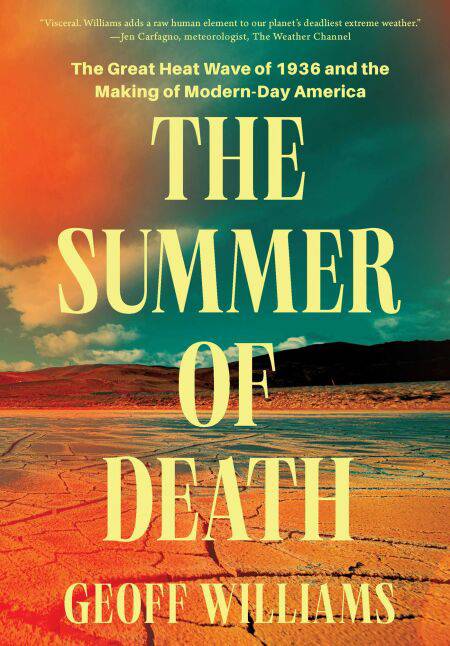
The Summer of Death E-BOOK
The Great Heat Wave of 1936 and the Making of Modern-Day America
Geoff Williams
E-book | Engels
€ 21,24
+ 21 punten
Uitvoering
Omschrijving
A riveting historic narrative that tells the iconic story of the great heat wave that ravaged the continent in the last gasps of the Dust Bowl.
In 1936, after one of the coldest winters on record, North America experienced a heat wave that remains unmatched today. Thanks to a combination of an unusually warm sea surface in the Atlantic and Pacific, stagnating high-pressure, drought, and poor farming techniques, temperatures soared across virtually every state (and the territory of Alaska) for months.
This summer, the sun aimed its deadly rays at more than 11,000 Americans and 1,000 Canadians. Air conditioning was uncommon, workers’ rights were few, and in an age before high blood pressure medication, a lot of middle-aged adults, toiling in the sun, were literally working themselves to death.
This was a summer in which there was almost no escape from the 100-plus temperatures, and woe to those who tried. Men, women, and children rushed into rivers to cool off, only to drown. Desperate people slept on roofs to catch a breeze, only to roll over and plummet to their deaths. Young and old, rich and poor, human and animal, it didn’t really matter. If the heat wanted you, it was going to get you.
The heat wave of 1936 sparked massive social changes and technological advances, as well as improvements in health care, and it ignited an ongoing impassioned national dialogue about climate change that continues, to varying degrees, to this day.
Filled with vivid detail and characters as intense as the oppressive heat itself, The Summer of Death is the definitive narrative history about this paradigm changing season. In the tradition of Timothy Egan’s The Worst Hard Time and Edward P. Kohn’s Hot Time in the Old Town, The Summer of Death reveals a unique and vital chapter of American history, one that could portend dire consequences for our future.
In 1936, after one of the coldest winters on record, North America experienced a heat wave that remains unmatched today. Thanks to a combination of an unusually warm sea surface in the Atlantic and Pacific, stagnating high-pressure, drought, and poor farming techniques, temperatures soared across virtually every state (and the territory of Alaska) for months.
This summer, the sun aimed its deadly rays at more than 11,000 Americans and 1,000 Canadians. Air conditioning was uncommon, workers’ rights were few, and in an age before high blood pressure medication, a lot of middle-aged adults, toiling in the sun, were literally working themselves to death.
This was a summer in which there was almost no escape from the 100-plus temperatures, and woe to those who tried. Men, women, and children rushed into rivers to cool off, only to drown. Desperate people slept on roofs to catch a breeze, only to roll over and plummet to their deaths. Young and old, rich and poor, human and animal, it didn’t really matter. If the heat wanted you, it was going to get you.
The heat wave of 1936 sparked massive social changes and technological advances, as well as improvements in health care, and it ignited an ongoing impassioned national dialogue about climate change that continues, to varying degrees, to this day.
Filled with vivid detail and characters as intense as the oppressive heat itself, The Summer of Death is the definitive narrative history about this paradigm changing season. In the tradition of Timothy Egan’s The Worst Hard Time and Edward P. Kohn’s Hot Time in the Old Town, The Summer of Death reveals a unique and vital chapter of American history, one that could portend dire consequences for our future.
Specificaties
Betrokkenen
- Auteur(s):
- Uitgeverij:
Inhoud
- Aantal bladzijden:
- 448
- Taal:
- Engels
Eigenschappen
- Productcode (EAN):
- 9798897101269
- Verschijningsdatum:
- 1/06/2026
- Uitvoering:
- E-book
- Beveiligd met:
- Adobe DRM
- Formaat:
- ePub



Alleen bij Standaard Boekhandel
+ 21 punten op je klantenkaart van Standaard Boekhandel
Cadeau

AANGERADEN


Beoordelingen
We publiceren alleen reviews die voldoen aan de voorwaarden voor reviews. Bekijk onze voorwaarden voor reviews.