


- Afhalen na 1 uur in een winkel met voorraad
- Gratis thuislevering in België vanaf € 30
- Ruim aanbod met 7 miljoen producten
- Afhalen na 1 uur in een winkel met voorraad
- Gratis thuislevering in België vanaf € 30
- Ruim aanbod met 7 miljoen producten





€ 135,95
+ 271 punten
Omschrijving
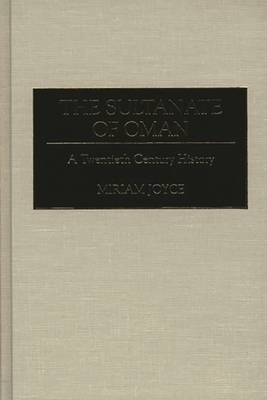
This study is based on extensive research in British sources and includes material from archives in the United States. The last chapter, which covers the period from 1970, is based on Omani newspapers and interviews with Omani officials conducted in 1994. Throughout the 20th century, Omani rulers were confronted with rebellious tribes and threatened by movements originating outside the sultanate, including Wahhabism, Arab nationalism, and communism. The discovery of oil in the 1960s did not free the Omani people from poverty or seclusion. The Sultan's subjects were only liberated in 1970, when a coup d'etat led by Sayyid Qaboos bin Said, enabled Oman to build a modern infrastructure, join the Arab World and the international community.
Specificaties
Betrokkenen
- Auteur(s):
- Uitgeverij:
Inhoud
- Aantal bladzijden:
- 152
- Taal:
- Engels
- Reeks:
Eigenschappen
- Productcode (EAN):
- 9780275952228
- Verschijningsdatum:
- 15/08/1995
- Uitvoering:
- Hardcover
- Formaat:
- Genaaid
- Afmetingen:
- 157 mm x 247 mm
- Gewicht:
- 403 g


Alleen bij Standaard Boekhandel
+ 271 punten op je klantenkaart van Standaard Boekhandel
Cadeau

AANGERADEN


Beoordelingen
We publiceren alleen reviews die voldoen aan de voorwaarden voor reviews. Bekijk onze voorwaarden voor reviews.