


- Afhalen na 1 uur in een winkel met voorraad
- Gratis thuislevering in België vanaf € 30
- Ruim aanbod met 7 miljoen producten
- Afhalen na 1 uur in een winkel met voorraad
- Gratis thuislevering in België vanaf € 30
- Ruim aanbod met 7 miljoen producten





€ 184,95
+ 369 punten
Omschrijving
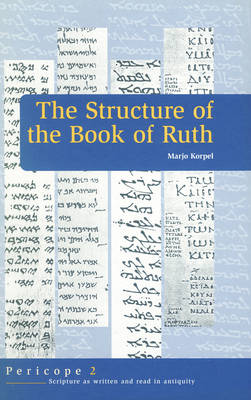
The Book of Ruth reads like a novel. Scholars agree on the literary virtuosity of its author, but are deeply divided about the way she or he has structured the work. For the first time ever, The Structure of the Book of Ruth makes use of hitherto neglected evidence from ancient Hebrew, Greek, Syriac and Latin manuscripts in an attempt to create a more objective basis for discussions about the book's structure.
This type of structural analysis is a powerful new tool in the hands of Bible scholars. Structural irregularities appear to elucidate the redactional history of the Book of Ruth. Structural breaks and links appear to function as markers indicating a certain understanding of the text to the exclusion of other possibilities.
The question of divine justice comes out as the central theme of the book. Is it justified to accuse God of injustice, as Naomi did? The time when this problem was most virulent was the exilic and post-exilic period. Naomi appears to stand for the old Zion, the embittered widow of Lamentations 1. Ruth is a personification of the new Zion, the bride whom her divine husband will marry again. The remarkable openness to an active role of foreigners and women in the restoration of Israel is a deliberate protest against the draconic measures of Ezra and Nehemiah against marriages with foreign women.
This type of structural analysis is a powerful new tool in the hands of Bible scholars. Structural irregularities appear to elucidate the redactional history of the Book of Ruth. Structural breaks and links appear to function as markers indicating a certain understanding of the text to the exclusion of other possibilities.
The question of divine justice comes out as the central theme of the book. Is it justified to accuse God of injustice, as Naomi did? The time when this problem was most virulent was the exilic and post-exilic period. Naomi appears to stand for the old Zion, the embittered widow of Lamentations 1. Ruth is a personification of the new Zion, the bride whom her divine husband will marry again. The remarkable openness to an active role of foreigners and women in the restoration of Israel is a deliberate protest against the draconic measures of Ezra and Nehemiah against marriages with foreign women.
Specificaties
Betrokkenen
- Auteur(s):
- Uitgeverij:
Inhoud
- Aantal bladzijden:
- 300
- Taal:
- Engels
- Reeks:
- Reeksnummer:
- nr. 2
Eigenschappen
- Productcode (EAN):
- 9789023236573
- Verschijningsdatum:
- 1/01/2001
- Uitvoering:
- Hardcover
- Formaat:
- Genaaid
- Afmetingen:
- 163 mm x 244 mm
- Gewicht:
- 657 g


Alleen bij Standaard Boekhandel
+ 369 punten op je klantenkaart van Standaard Boekhandel
CADEAU


Beoordelingen
We publiceren alleen reviews die voldoen aan de voorwaarden voor reviews. Bekijk onze voorwaarden voor reviews.