


- Afhalen na 1 uur in een winkel met voorraad
- Gratis thuislevering in België vanaf € 30
- Ruim aanbod met 7 miljoen producten
- Afhalen na 1 uur in een winkel met voorraad
- Gratis thuislevering in België vanaf € 30
- Ruim aanbod met 7 miljoen producten





€ 129,45
+ 258 punten
Omschrijving
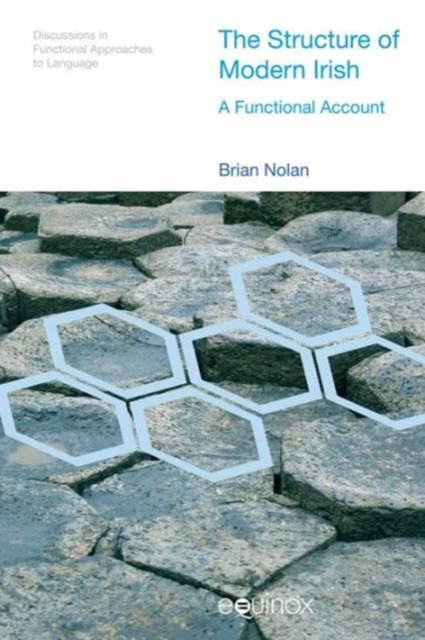
Modern Irish is a VSO language, in common with the other Celtic languages, and the order of elements in the structure of transitive sentences is verb-subject-object. This book provides a characterisation of the nominal, verb, clause and information structure of the Irish language from a functional perspective based on Role and Reference Grammar. Included in this analysis are the layered structure of the noun phrase of Irish and the various NP operators, the layered structure of the clause and the verbal system at the syntax-semantic interface along with a number of verb valence behaviours as mediated by event and argument structure. The book also surveys previous treatments of Irish within a functionalist approach. The book examines the derivation of the verbal noun and the contexts in which it is used. It also provides an account of light verbs and complex predicates as they occur within Irish and link this to a characterisation of the information structure of Irish. Additionally it provides an analysis of certain linguistically interesting phenomena that are particular to Irish (and the other Celtic languages) including the two verbs of 'to be'.
Specificaties
Betrokkenen
- Auteur(s):
- Uitgeverij:
Inhoud
- Aantal bladzijden:
- 304
- Taal:
- Engels
- Reeks:
Eigenschappen
- Productcode (EAN):
- 9781845534219
- Verschijningsdatum:
- 30/09/2012
- Uitvoering:
- Hardcover
- Formaat:
- Genaaid
- Afmetingen:
- 163 mm x 234 mm
- Gewicht:
- 589 g


Alleen bij Standaard Boekhandel
+ 258 punten op je klantenkaart van Standaard Boekhandel
Cadeau

AANGERADEN


Beoordelingen
We publiceren alleen reviews die voldoen aan de voorwaarden voor reviews. Bekijk onze voorwaarden voor reviews.