


- Afhalen na 1 uur in een winkel met voorraad
- Gratis thuislevering in België vanaf € 30
- Ruim aanbod met 7 miljoen producten
- Afhalen na 1 uur in een winkel met voorraad
- Gratis thuislevering in België vanaf € 30
- Ruim aanbod met 7 miljoen producten





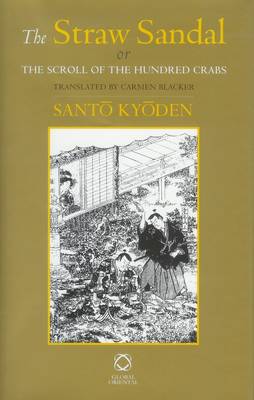
The Straw Sandal
Or the Scroll of the Hundred Crabs (Mukashi-Banashi Inazuma-Byōshi)
Kyōden Santō
Paperback | Engels
€ 111,45
+ 222 punten
Omschrijving
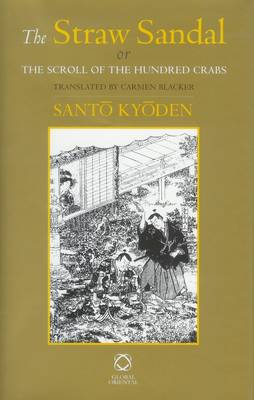
Carmen Blacker's spirited translation of Santo Kyoden's Mukashi-banashi inazuma byooshi (from which the title 'The Straw Sandal' is taken), considered by Aston to be his masterpiece, reveals a multi-layered and fascinating tale of revenge - Japanese-style, thereby providing a classic example of this popular genre within Japanese literature. Aston makes the point that the plot of this late-eighteenth-century novel, developed over twenty chapters or episodes, is so complicated that 'it is impossible to give an adequate summary...' But he goes on to promise several murders, a harakiri and other suicides, terrific combats, hairbreadth escapes, strange meetings and surprising recognitions. In addition, there are scenes of witchcraft and enchantment with dreams, magic terrors and ghosts who rove by night. The Straw Sandal, which contains most of the original black and white woodblock prints together with textual notes added by the translator, will surely be widely welcomed both in the world of literature as well as that of Japanese Studies.
Specificaties
Betrokkenen
- Auteur(s):
- Vertaler(s):
- Uitgeverij:
Inhoud
- Aantal bladzijden:
- 166
- Taal:
- Engels
Eigenschappen
- Productcode (EAN):
- 9781905246649
- Verschijningsdatum:
- 31/01/2008
- Uitvoering:
- Paperback
- Formaat:
- Trade paperback (VS)
- Afmetingen:
- 147 mm x 218 mm
- Gewicht:
- 353 g


Alleen bij Standaard Boekhandel
+ 222 punten op je klantenkaart van Standaard Boekhandel
Cadeau

AANGERADEN


Beoordelingen
We publiceren alleen reviews die voldoen aan de voorwaarden voor reviews. Bekijk onze voorwaarden voor reviews.